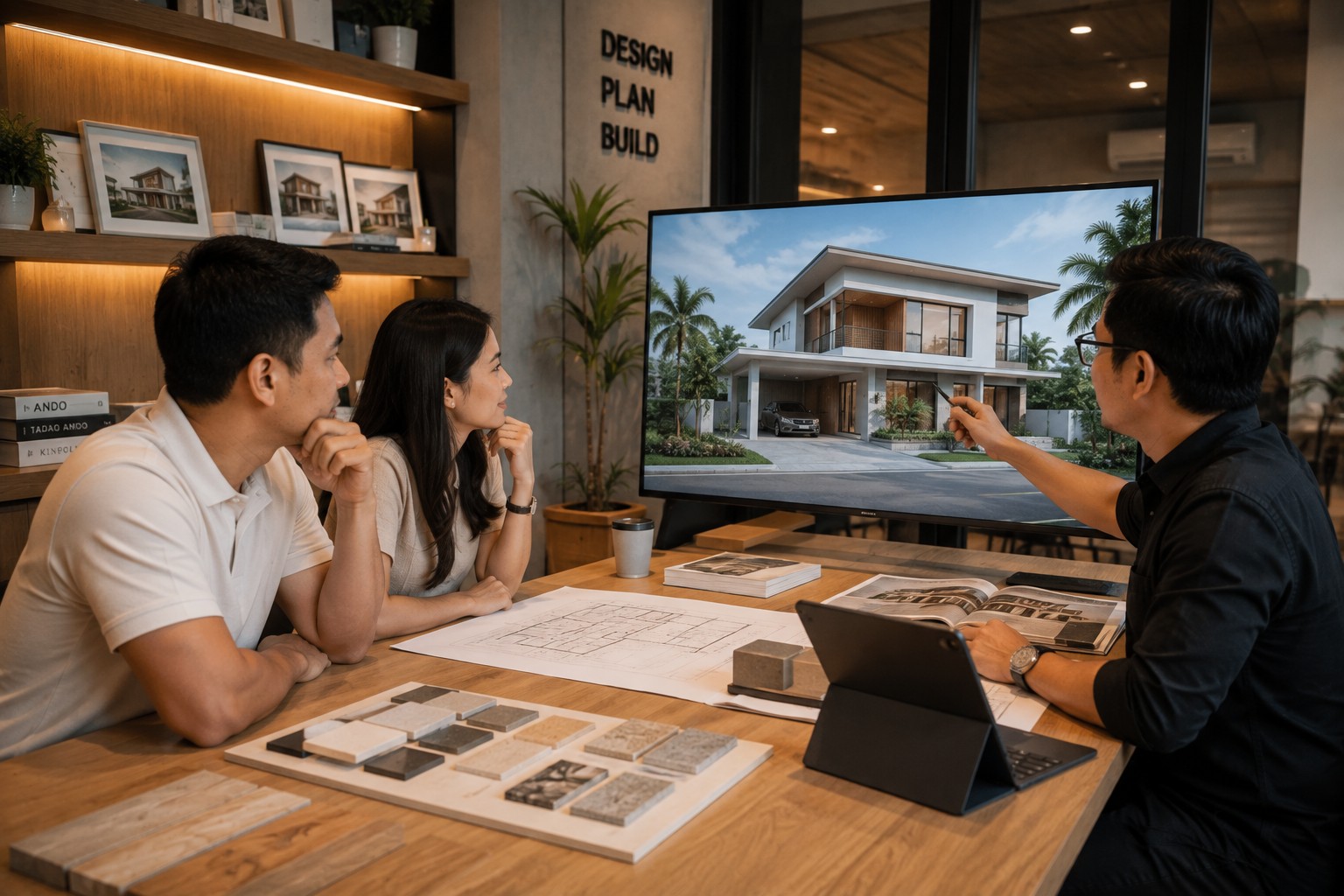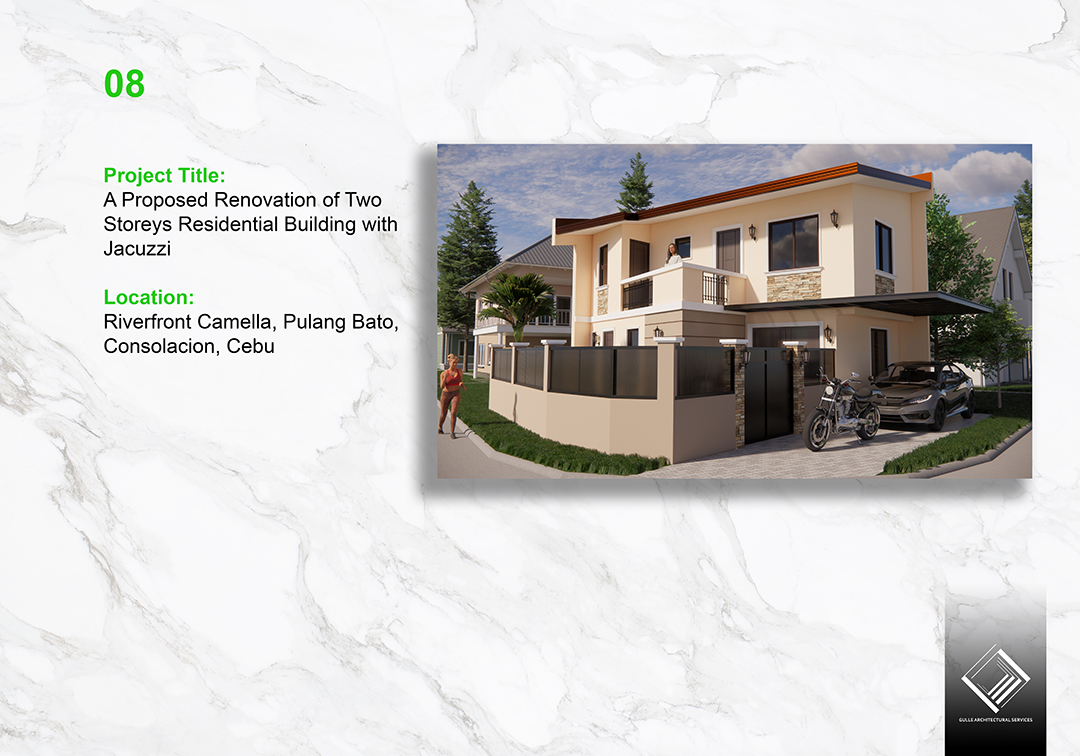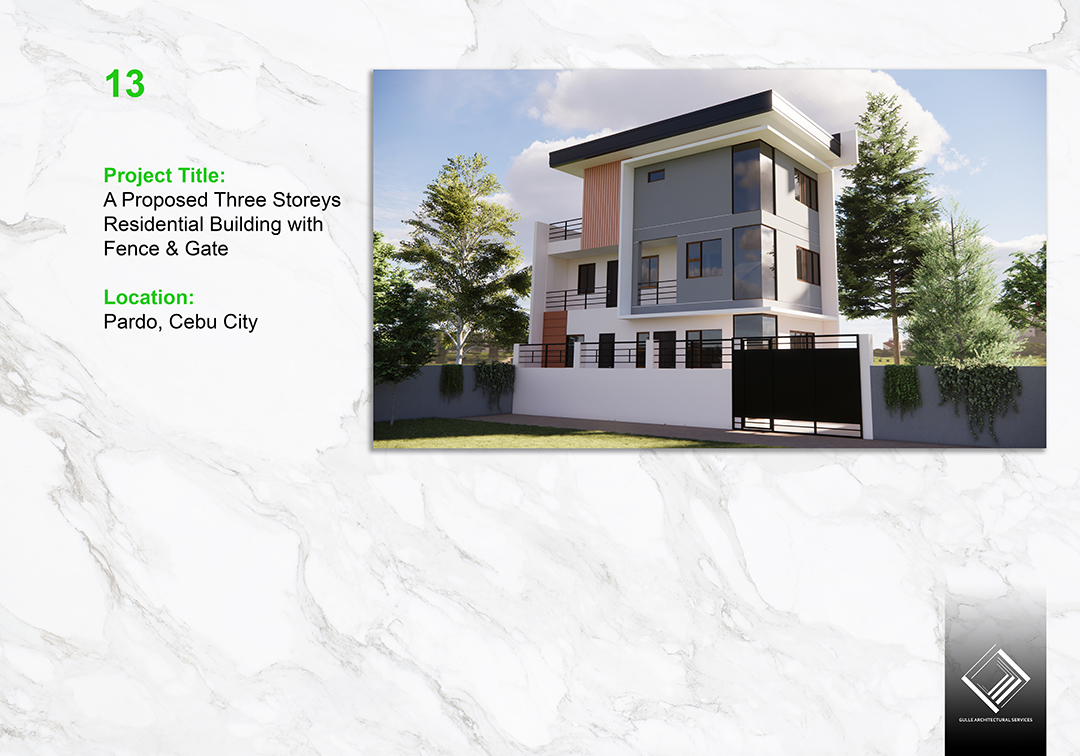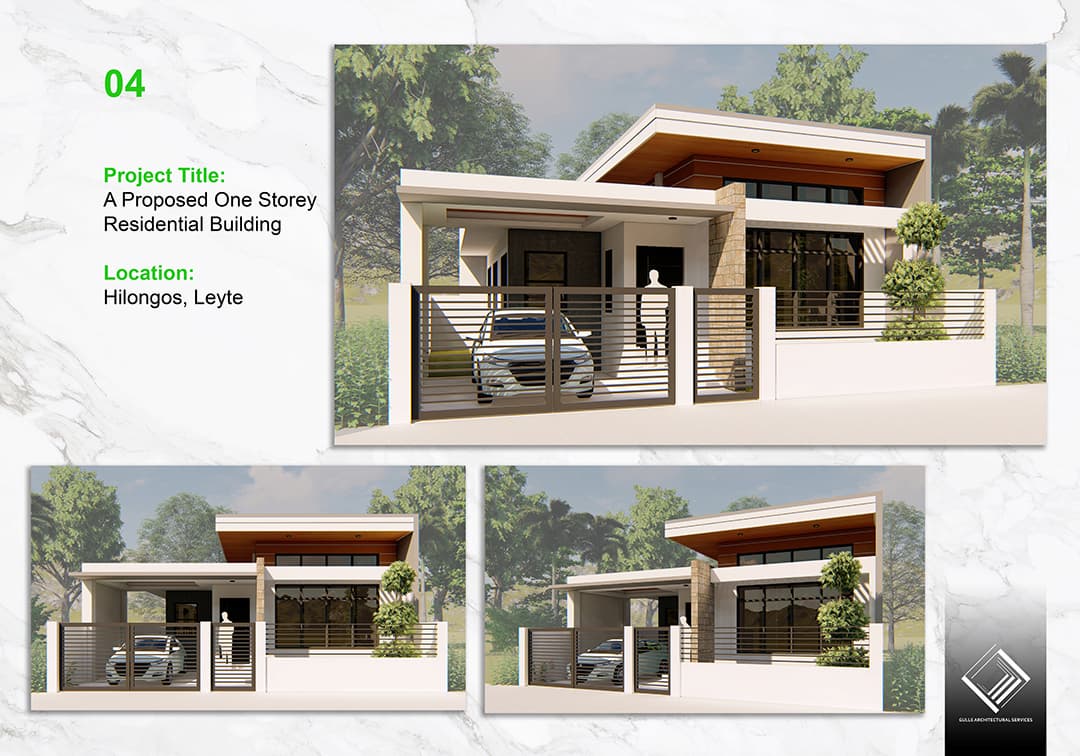
Building a home in Cebu is a dream for many local families, OFWs, and retirees. However, budgeting accurately is critical to avoid project delays or cost overruns. In 2026, building costs in Metro Cebu range from ₱25,000 to ₱80,000 per square meter, depending on finish quality, structural complexity, and site terrain. As a licensed construction company in Cebu, GAS Design & Build provides transparent, itemized cost breakdowns so you know exactly where every peso goes — from the first bag of cement to the final coat of paint. You can also explore our full range of design & build services to see how we integrate architecture, engineering, and construction under one contract.
The reality is that no two Cebu home builds cost exactly the same. A compact single-storey home on a flat lot in Mandaue will have a very different price tag than a three-storey hillside residence in Busay with an infinity pool and imported finishes. This guide breaks down the real, on-the-ground cost drivers that determine what you will actually pay to build a house in Cebu this year, so you can plan your budget with confidence rather than guesswork.
Estimated Cost Per Square Meter in Cebu
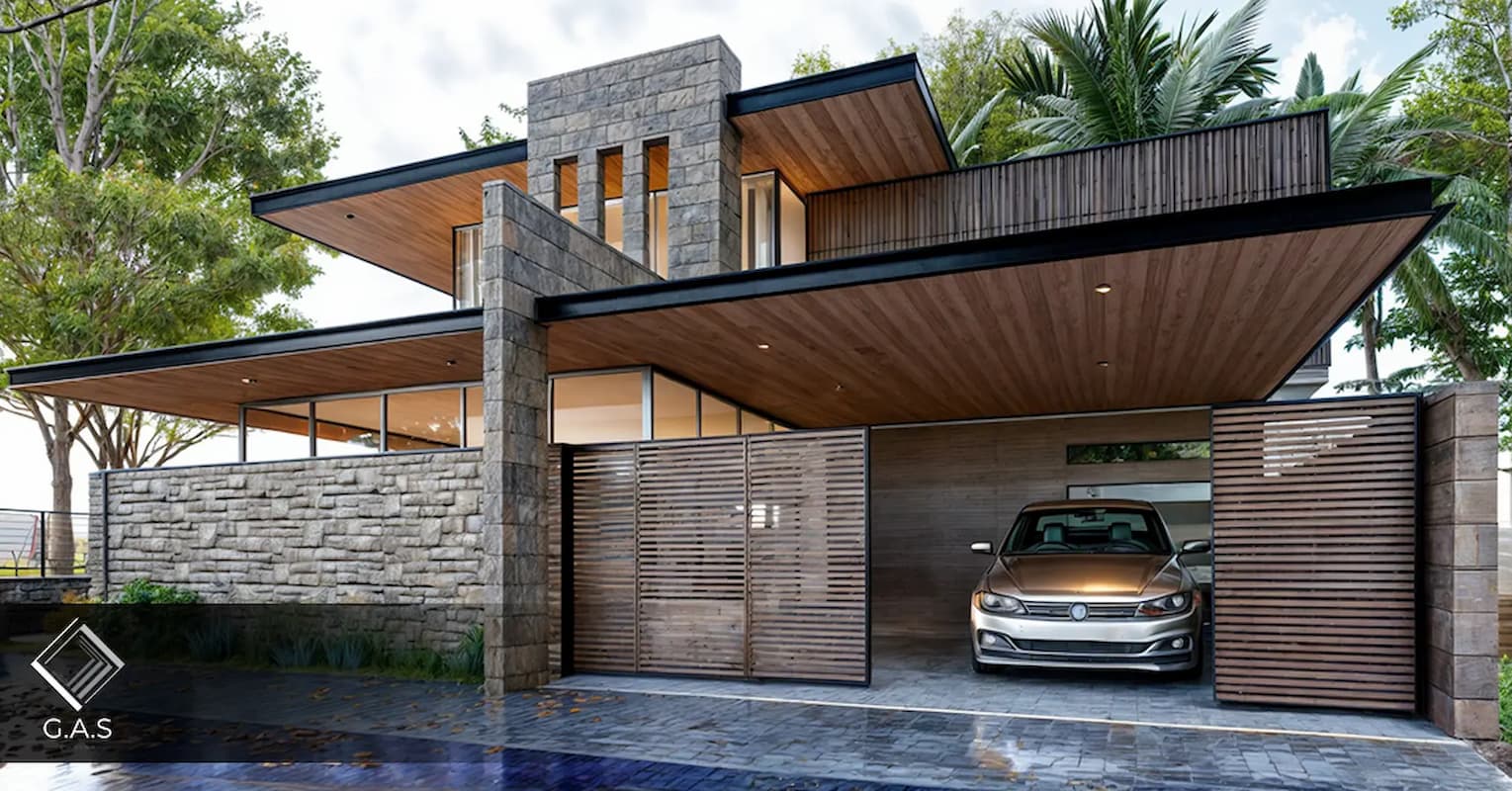
Construction rates in Cebu are typically quoted per square meter of total floor area, and they scale with the level of finish you select. Here is how the tiers break down in 2026:
- Standard Finish (₱25,000 - ₱35,000 / sqm): Granite tile floors, basic aluminum sliding windows, standard sanitary fixtures, painted drywall partitions, and a flat roof truss design. This tier suits practical family homes, rental units, and OFW investment properties where durability matters more than luxury.
- Semi-Luxury Finish (₱38,000 - ₱48,000 / sqm): Porcelain tiles, custom modular kitchen cabinets, high-ceiling living spaces, cove and ambient lighting, tempered glass railings, and upgraded bathroom fixtures. This is the most popular tier among Cebu homeowners who want a modern, comfortable residence without overspending.
- High-End Architectural Luxury (₱50,000 - ₱80,000+ / sqm): Smart home automation, imported large-format slab flooring, infinity pools, solar panel integration, specialized acoustic insulation, bespoke millwork, and architecturally complex cantilevered structures. This tier reflects the premium residential work seen in Maria Luisa Estate Park, Busay, and Cebu's gated subdivisions.
What Drives Construction Costs in Cebu Beyond the Square Meter
The per-square-meter rate is only the starting point. Several factors can shift your final bill significantly, and understanding them early helps you avoid the most common budgeting mistakes.
- Site terrain and soil condition: Flat lots in Mandaue or Consolacion are straightforward. Hillside lots in Busay, Talamban, or Maria Luisa often require retaining walls, soil testing, deeper footings, and specialized formwork — all of which add cost before the first wall goes up.
- Structural complexity: Cantilevered overhangs, open-span living areas, swimming pools, and multi-storey configurations require more steel reinforcement and larger columns, increasing both material and labor costs.
- Material selection and import duties: Locally sourced tiles, timber, and fixtures keep costs predictable. Imported Italian porcelain, German hardware, or smart-home systems add not only the product cost but also shipping, duties, and lead-time risk.
- Permit and subdivision requirements: Gated subdivisions often impose their own design guidelines, deposit requirements, and work-hour restrictions that affect scheduling and cost.
Additional Costs to Budget For
Many first-time builders focus only on the construction contract and are surprised by the additional expenses that surround it. A complete Cebu home-building budget should account for:
- Architectural & Engineering Blueprints: Usually 5%–10% of total construction cost or a fixed per-sqm rate covering architecture house design, structural, electrical, and sanitary plans.
- Subdivision HOA & Building Permits: Around ₱30,000 - ₱80,000 depending on total floor area, plus barangay clearance and locational clearance fees.
- Site Slope Preparation: Hillside lots in Busay, Maria Luisa, or Talisay may require retaining walls, soil testing, and earthworks that flat-lot builders never encounter.
- Utility Connections: Meralco-equivalent electrical metering, water district connection, and internet provisioning can add ₱50,000 or more depending on location.
- Contingency Fund: A responsible budget sets aside 10%–15% for unforeseen conditions such as rock excavation, material price increases, or design refinements during construction.
Why a Design and Build Company in Cebu Saves You Money
The single biggest cause of budget overruns in Philippine construction is fragmented contracting — where the architect, engineer, and builder each carry separate contracts with no shared accountability. When the designer hands off plans to a separate contractor who was not involved in the design decisions, the result is almost always change orders, rework, and disputes over who pays for the gap between drawing and reality. A true design and build company in Cebu eliminates this gap by keeping architecture and construction under one roof — and you can see the results in our project portfolio.
When you work with a single design and build team like GAS Design & Build, design intent flows directly to the construction crew without translation errors, and budget decisions are made cohesively across every phase. The architect who specified a material is the same professional overseeing its installation, which means cost-saving alternatives can be evaluated in real time rather than after a problem has already been built.
For OFW families building from abroad, this single-team structure also means one point of contact, one contract, and weekly digital progress reports that keep your investment transparent from groundbreaking to turnover. You are not left deciphering conflicting updates from three different vendors — you receive one coherent narrative about your project's status, budget, and next steps.
Realistic Budget Examples for Common Cebu Home Sizes
To make these numbers concrete, here are illustrative total project cost ranges for typical Cebu residential builds in 2026. These exclude the lot cost and are indicative only — your actual cost depends on your specific design, site, and material choices. Before committing to a budget, we recommend starting with professional architecture house design in Cebu and a 3D architectural visualization so you can see and refine every detail before construction begins.
- 80 sqm single-storey, standard finish: Approximately ₱2.0M – ₱2.8M, suited to starter homes and practical family residences.
- 120 sqm single-storey, semi-luxury finish: Approximately ₱4.5M – ₱5.8M, a comfortable modern home with upgraded interiors.
- 150 sqm two-storey, semi-luxury finish: Approximately ₱5.7M – ₱7.2M, offering generous living space for growing families.
- 200 sqm two-storey with pool, high-end finish: Approximately ₱10M – ₱16M+, reflecting luxury residential construction with premium materials and amenities.
How Material Prices in Cebu Fluctuate Through the Year
Construction material prices in the Philippines are not static, and budgeting as if they are is one of the most common causes of cost overruns. Cement, reinforcing steel, and finishing materials all move with global commodity markets, fuel prices, and local supply conditions. Steel prices in particular can shift noticeably over a multi-month build, and a budget locked at the start of construction may not reflect the cost of steel purchased three months later.
A responsible construction company in Cebu manages this risk in two ways. First, the bill of quantities is built from current supplier quotations rather than stale price lists, so the baseline reflects the market as it stands at contract signing. Second, major structural materials — cement, steel, and key finishing items — are procured early in the construction schedule where storage allows, locking in prices before volatility can affect the budget. GAS Design & Build follows both practices, and we disclose material price assumptions transparently so clients understand which figures are fixed and which carry market exposure.
Labor Costs and the Cebu Construction Workforce
Labor is the other major component of a construction budget, and it is often misunderstood. The per-square-meter rates quoted above include both materials and labor, but the labor share varies with the complexity of the work. Intricate custom millwork, detailed tile layouts, and specialized finishes require more skilled labor hours per square meter than standard finishes, which is part of why the high-end tier costs what it does.
Cebu has a deep pool of skilled construction trades — masons, carpenters, welders, tile setters, and finishers — but the best craftspeople are in demand, and their rates reflect that. A firm that pays for skilled labor and supervises it properly delivers a measurably better result than one that competes on the lowest possible labor cost. This is not a place to economize: the difference between a well-built home and a poorly built one is largely a function of who does the work and who supervises it.
Why Per-Square-Meter Rates Are a Guide, Not a Quote
It is worth being explicit about what a per-square-meter rate does and does not include. The rate covers the built structure and its standard finishes, but it does not automatically include the lot, site development for difficult terrain, government permit fees, utility connection charges, swimming pools, landscaping, fencing and gates, or furnishings. Each of these is a separate budget line, and a complete project budget must account for all of them.
This is why GAS Design & Build provides a formal, itemized cost estimate rather than a single per-square-meter figure. A per-square-meter rate is a useful planning guide for early-stage budgeting, but a real budget requires the detail that only a bill of quantities can provide. When you receive our estimate, you will see every major cost line — structural, architectural finishes, MEP, permits, and contingencies — so there are no gaps between what you expect and what you pay for.
Frequently Asked Questions
Q: How much does it cost to build a 100 sqm house in Cebu?
A standard 100 sqm home with basic finishing in Metro Cebu typically costs between ₱2.5 million and ₱3.5 million. With semi-luxury finishes, expect ₱3.8 million to ₱4.8 million. High-end custom builds can exceed ₱5 million. These figures exclude the lot cost and permit fees, and your final cost depends on site conditions and material selections.
Q: Is it cheaper to build or buy a house in Cebu?
Building is often more cost-effective per square meter than buying a finished home from a developer, and it gives you full control over layout, materials, and finishes. However, building requires a reliable construction company in Cebu to manage timelines and quality — which is exactly what GAS Design & Build provides. Buying is faster but locks you into someone else's design choices.
Q: Do construction costs in Cebu include permits?
Not always. Many contractors quote construction only and leave permit fees as a separate expense. At GAS Design & Build, we provide a clear itemized breakdown that includes permit processing so there are no surprises after signing. We also handle barangay clearance, locational clearance, and subdivision HOA submissions as part of the package.
Q: How do I avoid cost overruns when building in Cebu?
Start with a detailed, itemized bill of quantities rather than a lump-sum quote. Lock in material specifications before construction begins, set aside a 10%–15% contingency fund, and work with a single design and build team that controls both design and construction. Weekly digital progress reports from GAS Design & Build keep budget versus actual spending visible at every stage.
Financing Your Cebu Home Build
For many families, how to finance the build is as important as how much it costs. In the Philippines, common financing routes include bank home construction loans, in-house financing from developers, Pag-IBIG Fund loans for eligible members, and cash or progressive funding for those building in stages. Each route has different requirements, interest rates, and disbursement schedules, and the right choice depends on your financial situation and timeline.
A construction loan typically disburses funds in tranches tied to construction milestones — foundation, structural frame, finishing — rather than as a lump sum. This means your construction company must provide documentation of completed milestones to release each tranche. GAS Design & Build is experienced in supporting this documentation process, providing the progress reports and certifications that banks require to release funds. If you are financing your build, discuss this with us early so we can align our reporting with your bank's disbursement requirements.
For OFW families, financing often involves a combination of remittances, savings, and loans, and the build may be funded progressively over a longer timeline. We can structure the construction schedule to align with your funding availability, completing the home in phases if that suits your financial plan better than a single continuous build.
Building in Stages: Phased Construction in Cebu
Not every family can or wants to build their entire home at once. Phased construction — building the home in stages over months or years — is a practical option for budget-conscious families. A common approach is to build the structural shell and essential living spaces first, then complete additional rooms, finishes, or amenities like swimming pools in later phases.
Phased construction requires careful upfront design so that each phase connects cleanly to the next. The structural design must account for future additions, the plumbing and electrical must be provisioned for future rooms, and the layout must remain functional at each stage of completion. A design and build firm that plans the full home from the start — even if it is built in phases — ensures that the finished result is coherent rather than a series of disconnected additions.
The Bottom Line
Accurate budgeting is the foundation of a successful build. If you are planning a custom home, renovation, or commercial project in Cebu, the best first step is a formal cost estimate from a licensed design and build company. Reach out to GAS Design & Build today to schedule your consultation and get a clear, itemized picture of what your project will cost — before you commit a single peso to construction. You can also review our home construction & renovation services or browse more construction insights on our blog.