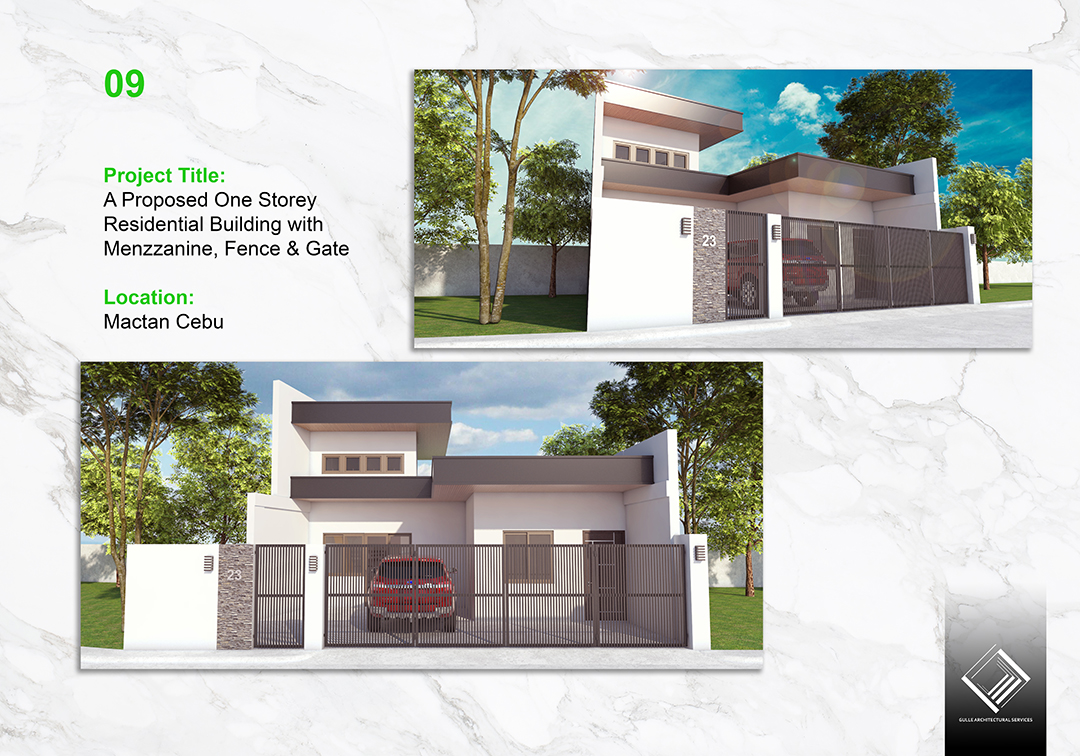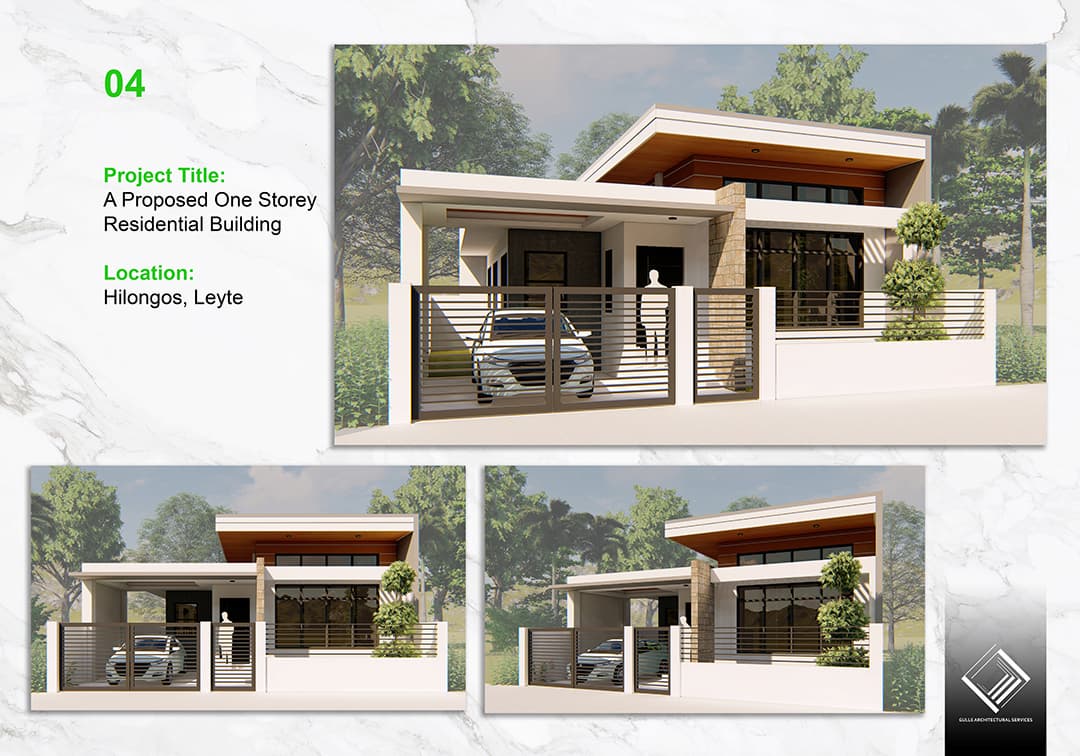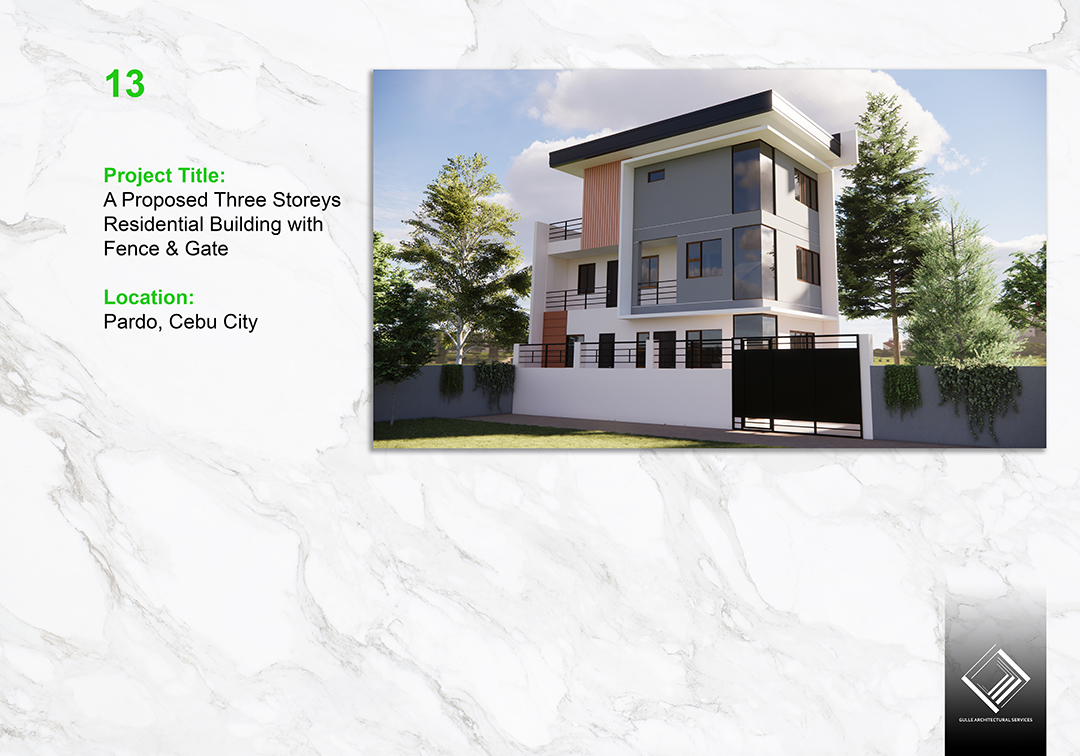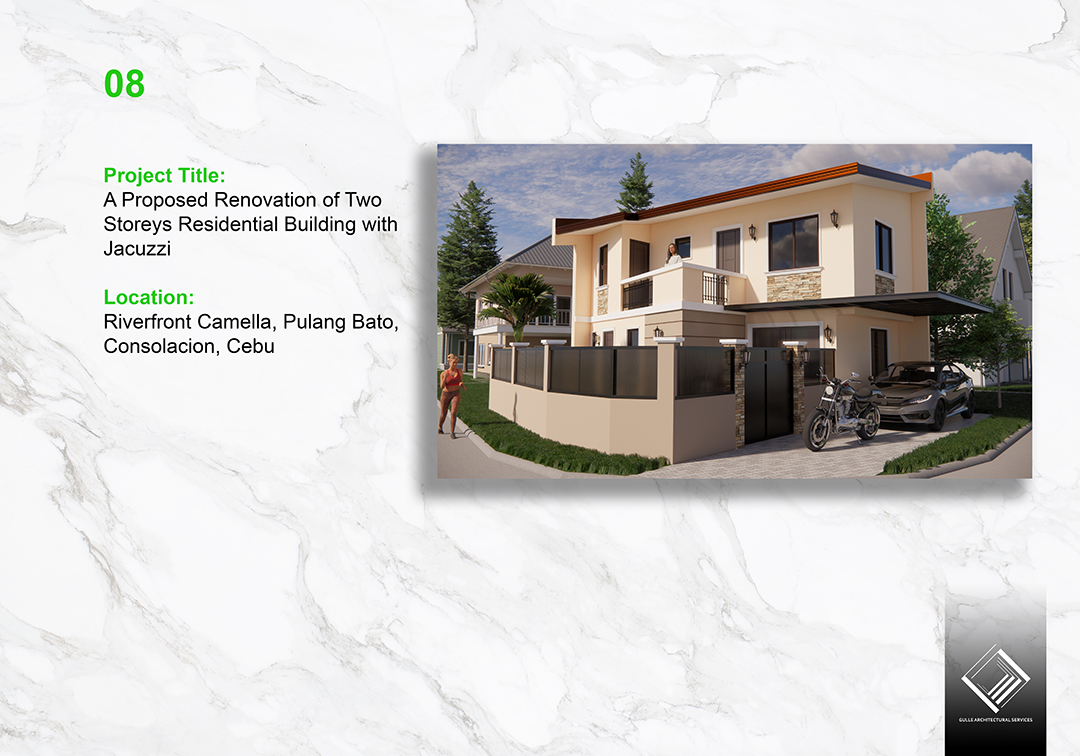
Cebu's tropical climate features strong sunshine, sudden monsoon rains, and coastal breezes. Traditional Western residential designs often fail here due to trapped heat and moisture issues. Tropical Modern architecture solves these challenges with contemporary style — and as an experienced architecture firm in Cebu, GAS Design & Build has refined this approach across hundreds of residential and commercial projects throughout Metro Cebu and the wider Visayas. Check our full list of design & build services to see how we integrate engineering and construction into every design.
Tropical modernism is not a passing aesthetic trend in the Philippines. It is a direct, practical response to the reality of building in a hot, humid, typhoon-prone archipelago. Homes designed without climate awareness end up relying heavily on air-conditioning, suffering from mold and moisture damage, and requiring more frequent repairs. A thoughtfully designed tropical modern home, by contrast, stays cooler naturally, ages gracefully in the humidity, and costs significantly less to operate over its lifetime.
Key Elements of Cebu Tropical Architecture
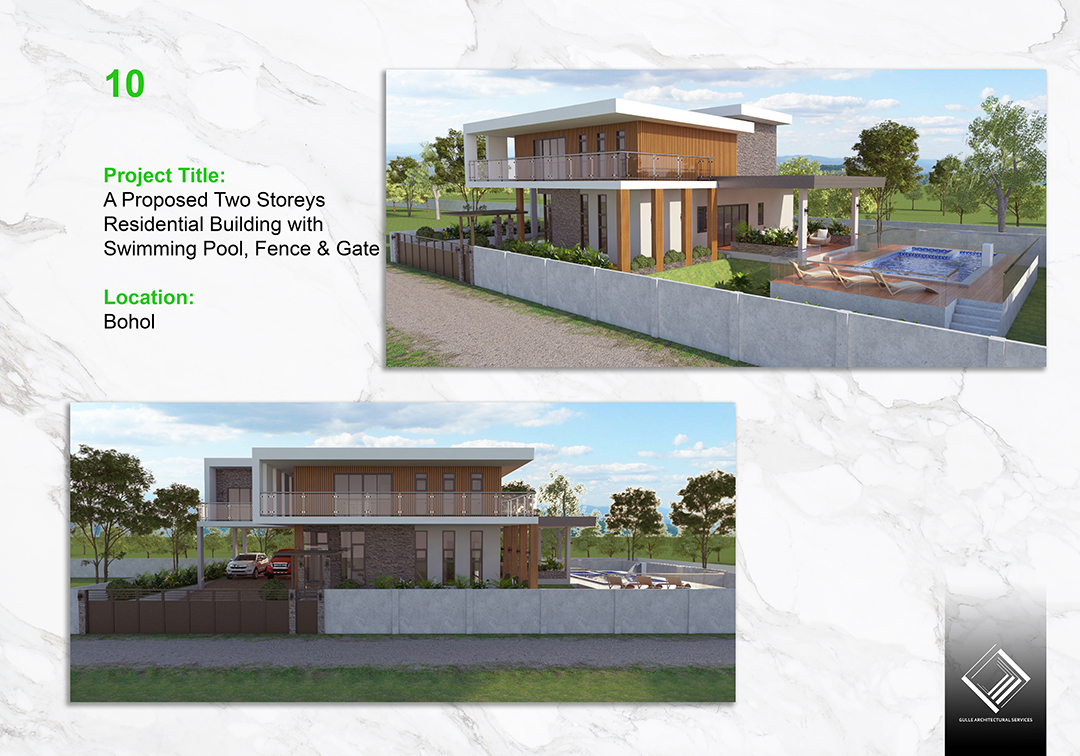
The principles below are the building blocks our Cebu architects use on nearly every residential project. Each one addresses a specific climatic challenge that Cebu homeowners face year-round.
- Extended Roof Overhangs & Eaves: Shields window glass from direct harsh sunlight and rain splatter, keeping interiors cooler and protecting finishes from water staining during monsoon downpours.
- Strategic Cross-Ventilation: Louvered glass windows oriented toward prevailing Amihan and Habagat breezes allow air to flow through living spaces naturally, reducing reliance on mechanical cooling.
- High Ceiling Heights: Allowing hot air to rise away from living zones so the occupied lower level stays comfortable even on the hottest Cebu afternoons.
- Indoor-Outdoor Continuity: Sliding floor-to-ceiling glass doors connecting living rooms to outdoor lanais and swimming pool decks, blurring the boundary between interior and garden.
- Natural Material Palettes: Warm timber accents, stone cladding, and neutral tones that age gracefully in tropical humidity rather than degrading under UV and moisture.
- Passive Solar Orientation: Positioning living areas to capture daylight while minimizing afternoon heat gain, so rooms stay bright without turning into greenhouses.
- Rainwater & Drainage Planning: Integrated gutters, downspouts, and permeable landscaping that handle Cebu's heavy monsoon downpours and prevent flooding around the foundation.
Why Tropical Modern Design Lowers Your Long-Term Costs
A house that is poorly oriented, poorly ventilated, or constructed from incompatible materials will cost its owner significantly more in air-conditioning, maintenance, and repair over a 20-year period. The design decisions made by a qualified architecture firm in Cebu — from window placement and roof pitch to material selection — are made with this real-world cost in mind.
Consider the compounding effect: a home that requires two extra air-conditioning units running several hours a day, every day, for two decades represents a substantial ongoing expense. A home that stays naturally cool through cross-ventilation and shading may need air-conditioning only in bedrooms at night. Over the life of the building, that difference can pay for the architectural design many times over.
The same logic applies to moisture management. Materials that trap humidity lead to mold, peeling paint, and structural deterioration. Materials and detailing chosen for tropical performance — proper roof slopes, generous eaves, ventilated cavities, and moisture-tolerant finishes — dramatically reduce the maintenance cycle and extend the useful life of the building.
Tropical Modern Design for Different Cebu Lot Types
Tropical modernism is adaptable to nearly any Cebu site condition, which is part of why it has become the dominant residential style in the region.
- Coastal lots in Mactan and Lapu-Lapu: Open-air lanais, salt-resistant material selection, and elevated ground floors to manage storm surge and coastal humidity.
- Hillside lots in Busay and Talamban: Terraced living spaces that follow the natural slope, maximizing panoramic views while managing stormwater runoff and soil retention.
- Urban lots in Cebu City and Mandaue: Vertical tropical design with internal courtyards, light wells, and rooftop gardens that bring ventilation and greenery into compact footprints.
- Subdivision lots in Maria Luisa and Talisay: Full tropical modern estates with swimming pools, outdoor kitchens, and seamless indoor-outdoor living zones.
Material Selection for Tropical Modern Homes in Cebu
Material choice is where tropical modern design either succeeds or fails. Our architects specify materials based on three criteria: performance in heat and humidity, aesthetic warmth, and long-term maintenance requirements.
Locally available tropical hardwoods, natural stone, and ventilated facade systems perform exceptionally well in Cebu's climate. Large-format porcelain and engineered stone offer the look of natural materials with greater moisture resistance. Paint and finish systems are selected for UV stability and mold resistance rather than just color. Every specification is documented in the construction drawings so the build team executes exactly what was designed.
Ventilation Strategies for Cebu's Two Distinct Wind Seasons
Cebu experiences two prevailing wind patterns that a tropical modern home should be designed around. The Amihan, or northeast monsoon, brings cooler, drier breezes from roughly November to February. The Habagat, or southwest monsoon, brings warm, moist air and heavy rainfall from roughly June to September. A home oriented and fenestrated for only one of these seasons will underperform during the other.
Our architects design openings, louvers, and internal layouts to capture beneficial breezes in both seasons while shielding the home from the harsher effects of each. During Amihan, cross-ventilation pathways channel cool air through living spaces. During Habagat, deep eaves and protected openings keep driving rain out while still allowing airflow. This dual-season approach is what separates a genuinely climate-responsive design from one that merely looks tropical.
Daylighting Without Overheating
Natural light is desirable, but in a tropical climate uncontrolled daylight brings heat. The design challenge is to capture enough light to make interiors feel bright and welcoming without turning them into greenhouses. We address this through a combination of shaded openings, north- and south-facing glazing (which receives less direct sun than east- and west-facing glass), light shelves that bounce daylight deep into rooms while shading the window, and high-placed windows that admit light without direct solar gain.
The result is a home that feels naturally illuminated throughout the day with minimal reliance on artificial lighting, yet stays cool because the light has been managed rather than simply allowed in. This balance is one of the most underappreciated skills in tropical architecture, and it has a direct effect on both comfort and long-term energy cost.
Landscaping as a Climate Strategy
In tropical modern design, landscaping is not decoration — it is part of the building's climate performance. Properly placed shade trees reduce the heat load on walls and windows by several degrees. Ground cover and planted areas reduce the radiant heat that paved surfaces reflect into the home. Water features and planting near openings can pre-cool incoming breeze through evaporation.
Our landscape design integrates with the architecture from the earliest planning stage rather than being added at the end. The position of mature trees, the layout of garden beds, and the choice of permeable versus paved surfaces are all design decisions that affect how the home performs in Cebu's climate. A landscape plan that is coordinated with the architectural plan delivers comfort and beauty together; one that is added later delivers neither as effectively.
Frequently Asked Questions
Q: What is tropical modern architecture?
Tropical modern architecture blends the clean lines and open layouts of modernism with climate-responsive features suited to tropical regions — deep eaves, cross-ventilation, shaded verandas, and materials that perform well in heat and humidity. It is the dominant residential style among forward-thinking Cebu homeowners today because it looks contemporary while actually working with the local climate rather than against it. Explore our architecture house design in Cebu page or view our completed works in the project portfolio.
Q: How much does a tropical modern house cost in Cebu?
A tropical modern home in Cebu typically ranges from ₱30,000 to ₱60,000 per square meter depending on finishes, glazing, and structural complexity. Homes with extensive glazing, swimming pool & landscape designs, or cantilevered elements trend toward the higher end. GAS Design & Build provides a formal itemized estimate after a site assessment so you can see exactly where your budget will land. Browse more guides on our blog articles section.
Q: Can tropical modern design work for small lots?
Yes. The principles of cross-ventilation, high ceilings, and indoor-outdoor flow are especially valuable on compact lots, where they make small footprints feel spacious and comfortable year-round. Internal courtyards, light wells, and rooftop terraces can transform even a narrow urban lot into a bright, breezy residence.
Q: Is tropical modern design typhoon-resistant?
Tropical modern design is inherently climate-aware, but typhoon resistance depends on structural engineering, not just architecture. GAS Design & Build engineers every home to the National Structural Code of the Philippines, accounting for wind loads, seismic loads, and the specific exposure of your site. Deep eaves and large openings are designed with proper structural reinforcement and impact-rated glazing where appropriate.
Designing for Cebu's Hillside and Coastal Sites
Tropical modernism is not a one-size-fits-all style — it adapts to the specific conditions of your site. Cebu's topography ranges from flat coastal land in Mactan and the South Road Properties to steep hillside lots in Busay, Talamban, and Maria Luisa. Each condition demands a different architectural response, and a firm that has built across this range carries practical knowledge that cannot be substituted by theory.
On hillside sites, tropical modern design follows the natural contour of the land rather than fighting it. Terraced living spaces, split-level layouts, and retaining structures integrated into the architecture allow the home to sit naturally on the slope while capturing the views that make hillside lots desirable. Drainage and soil retention are designed in from the start, preventing the erosion and water management problems that plague poorly planned hillside builds.
On coastal sites, the design responds to salt air, storm surge potential, and the desire for ocean-facing openness. Material selection accounts for corrosion resistance, ground-floor elevation manages flood risk, and the layout maximizes the coastal views and breezes that make waterfront living desirable. The same tropical modern principles — shading, ventilation, indoor-outdoor flow — apply, but they are tuned to the coastal context.
Tropical Modern for Commercial and Hospitality Projects
Tropical modern design is not limited to residential architecture. The same principles — climate responsiveness, natural light, indoor-outdoor continuity, and material warmth — translate powerfully to commercial and hospitality projects. A resort that uses cross-ventilation and shading stays comfortable for guests while reducing cooling costs. A restaurant with an open, breezy layout feels inviting in a way that an enclosed, air-conditioned space cannot. An office that brings in natural light and greenery supports the wellbeing and productivity of its occupants.
GAS Design & Build applies tropical modern principles across project types, from custom homes to commercial fit-outs and hospitality developments. The underlying design philosophy is consistent; the application is tailored to the building type and its users.
Roof Design in the Tropics
The roof is the most climate-critical element of a tropical home, and its design deserves particular attention. In Cebu, a well-designed roof does three things: it shades the walls and windows from direct sun, it sheds the heavy rain of the monsoon season quickly and completely, and it allows the hot air that accumulates under it to escape. A flat roof with no overhang fails on all three counts, which is why traditional tropical roofs feature generous pitches and deep eaves.
Modern tropical design often combines flat roof sections (for clean contemporary lines and usable roof decks) with pitched or overhanging elements that provide the necessary shading and rain protection. The key is intentionality — every flat surface should be there for a reason, and every exposed wall should be protected by an overhang, a pergola, or landscape. Roof material selection also matters: light-colored or reflective roofing reduces heat absorption, while insulated roof assemblies keep the interior cooler. These decisions, made during design, determine how comfortable the home will be for decades.
Water Management and Drainage
Cebu's heavy monsoon rains make water management a critical design consideration. A tropical modern home must be designed to handle large volumes of water quickly — through adequately sized gutters and downspouts, proper roof slopes, and site grading that directs water away from the foundation. Permeable landscaping allows water to absorb into the ground rather than pooling, and rainwater harvesting systems can capture runoff for garden use.
Poor water management is one of the most common causes of premature building deterioration in the tropics. Water that ponds near the foundation causes settlement and cracking. Water that overshoots gutters stains and damages walls. Water that has no clear path off the site causes flooding. A design that addresses these issues from the start protects the building and reduces maintenance for its entire life.
The Bottom Line
Tropical modern design is not just an aesthetic — it is a practical, climate-resilient approach that makes living in Cebu comfortable and cost-efficient over the long life of your home. If you are planning a custom home, reach out to GAS Design & Build to explore how these principles can shape your project, from the first site assessment through the final coat of paint.