Getting approved for a home loan in the Philippines depends on meeting a specific set of financial, personal, and property-related criteria that lenders evaluate before releasing any funds. Understanding the Housing Loan Requirements in the Philippines before you walk into a bank or submit your Pag-IBIG application can significantly increase your chances of approval and reduce unnecessary delays.
Whether you are eyeing a condominium in Makati, a townhouse in Cebu, or a custom-built home on a lot you already own, the documentation and eligibility standards you need to meet follow a broadly consistent framework across lenders. This article breaks down exactly what those requirements are, how different financing channels compare, and what practical steps you can take right now to get your application in order.
Who Can Apply for a Housing Loan in the Philippines
Before gathering documents, you need to confirm that you meet the basic eligibility criteria that nearly every lender in the country shares. These thresholds exist to protect both the borrower and the institution.
Age: Most banks and Pag-IBIG Fund require applicants to be at least 21 years old at the time of application, and no older than 65 to 70 years old at the loan's maturity date. If you are 50 years old and applying for a 20-year loan, many institutions will flag this because the loan would mature when you are 70, which some lenders consider the outer limit.
Citizenship: Filipino citizens are eligible across all housing loan programs. Foreign nationals may apply at select commercial banks but face stricter conditions and cannot purchase land under Philippine law.
Employment or Income Status: You must demonstrate a stable, verifiable source of income. Lenders typically accept:
- Locally employed applicants (regular or permanent employees)
- Overseas Filipino Workers (OFWs)
- Self-employed individuals with at least two years of profitable business operation
- Professionals earning income from practice (doctors, lawyers, architects, engineers)
Credit History: A clean credit record matters. Banks check your Credit Information Corporation (CIC) report, while Pag-IBIG reviews your contribution history and any outstanding loans. Defaults, restructured loans, or significant negative marks will hurt your approval odds.
Core Documents Required Across All Lenders
Regardless of whether you apply through a bank, Pag-IBIG, or in-house developer financing, you will need a core set of personal and financial documents. Gathering these early saves weeks of back-and-forth.
Personal Identification and Civil Status Documents
- At least two valid government-issued IDs (passport, SSS ID, PhilSys National ID, driver's license, PRC ID, Unified Multi-Purpose ID)
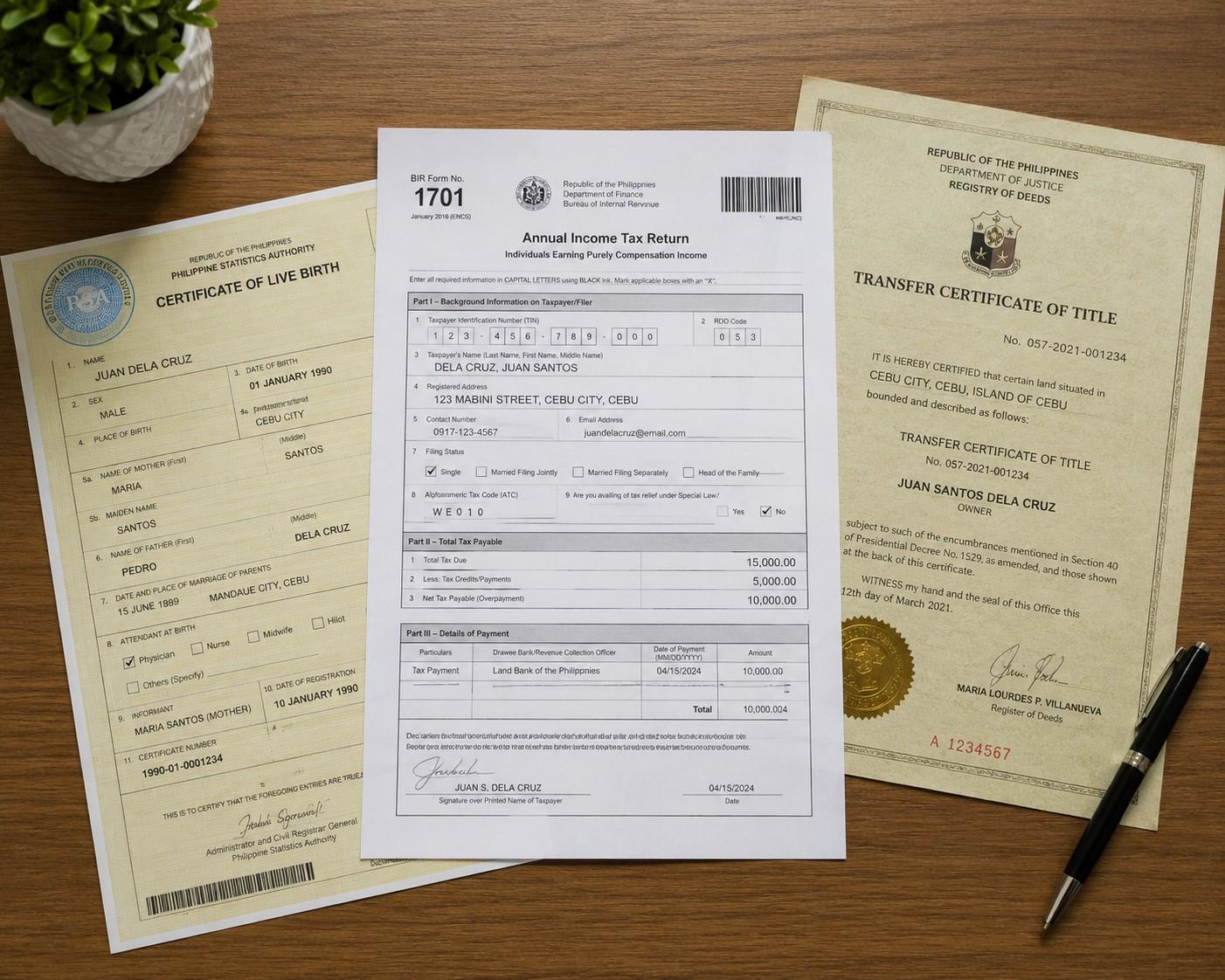
- Marriage certificate (if married) or birth certificate (if single), issued by the Philippine Statistics Authority (PSA)
- PSA-issued birth certificates of dependents, if applicable
Proof of Income
This is where requirements diverge based on your employment type:
For locally employed applicants:
- Latest three months' payslips
- Certificate of Employment (COE) with compensation details
- Latest Income Tax Return (ITR, BIR Form 2316) stamped by your employer or the Bureau of Internal Revenue (BIR)
For self-employed individuals:
- Latest two to three years' ITR with audited financial statements
- Business registration documents (DTI certificate or SEC registration)
- Business permit or Mayor's Permit
For OFWs:
- Contract of employment or POEA-authenticated employment contract
- Latest three to six months' proof of remittances
- Consularized or apostilled employment certificate if working abroad at the time of application
Property-Related Documents
Once you have chosen a property, you will need to submit:
- Certified true copy of the Transfer Certificate of Title (TCT) or Condominium Certificate of Title (CCT)
- Lot plan with vicinity map certified by a licensed geodetic engineer
- Tax declaration of the property
- Real property tax receipts (updated)
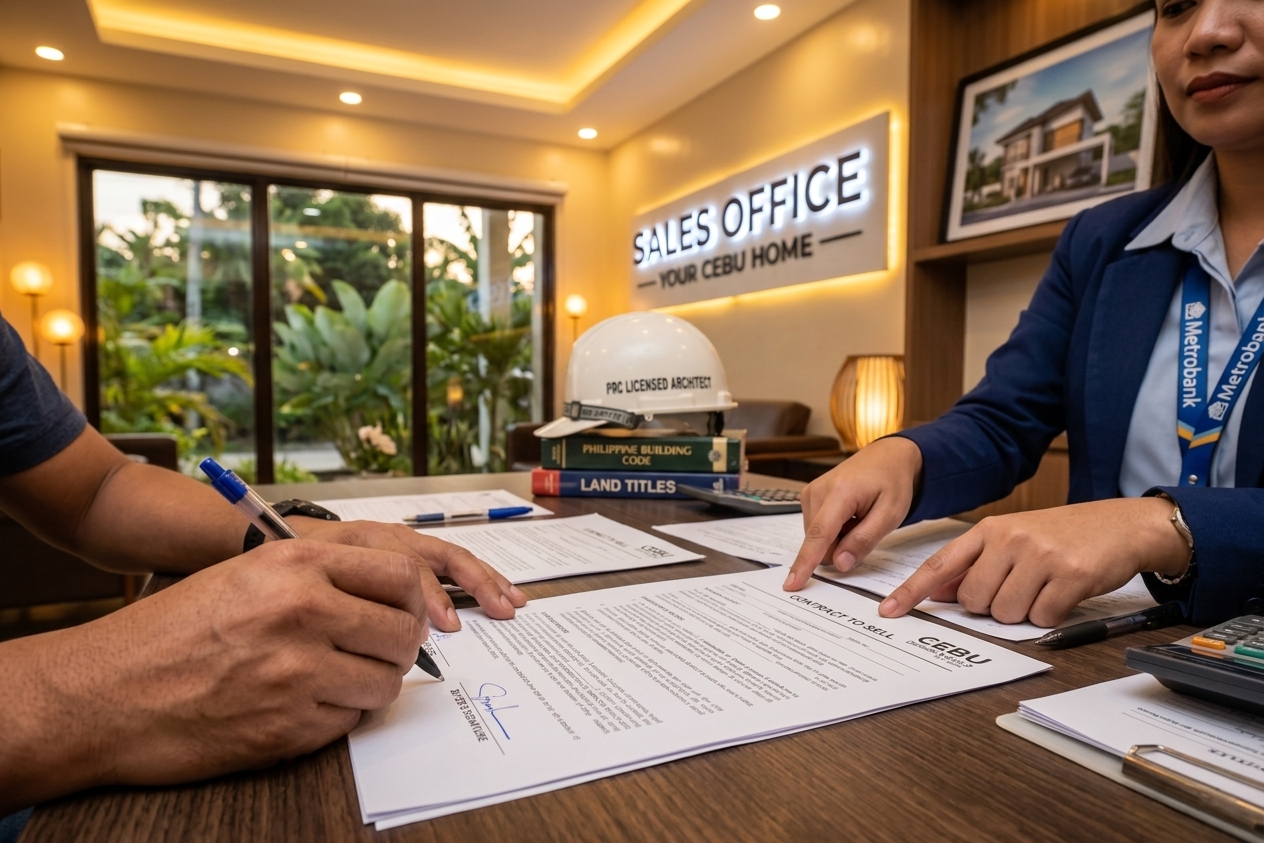
- Contract to Sell or Reservation Agreement (for properties purchased from a developer)
Bank Financing: What Commercial Lenders Specifically Require
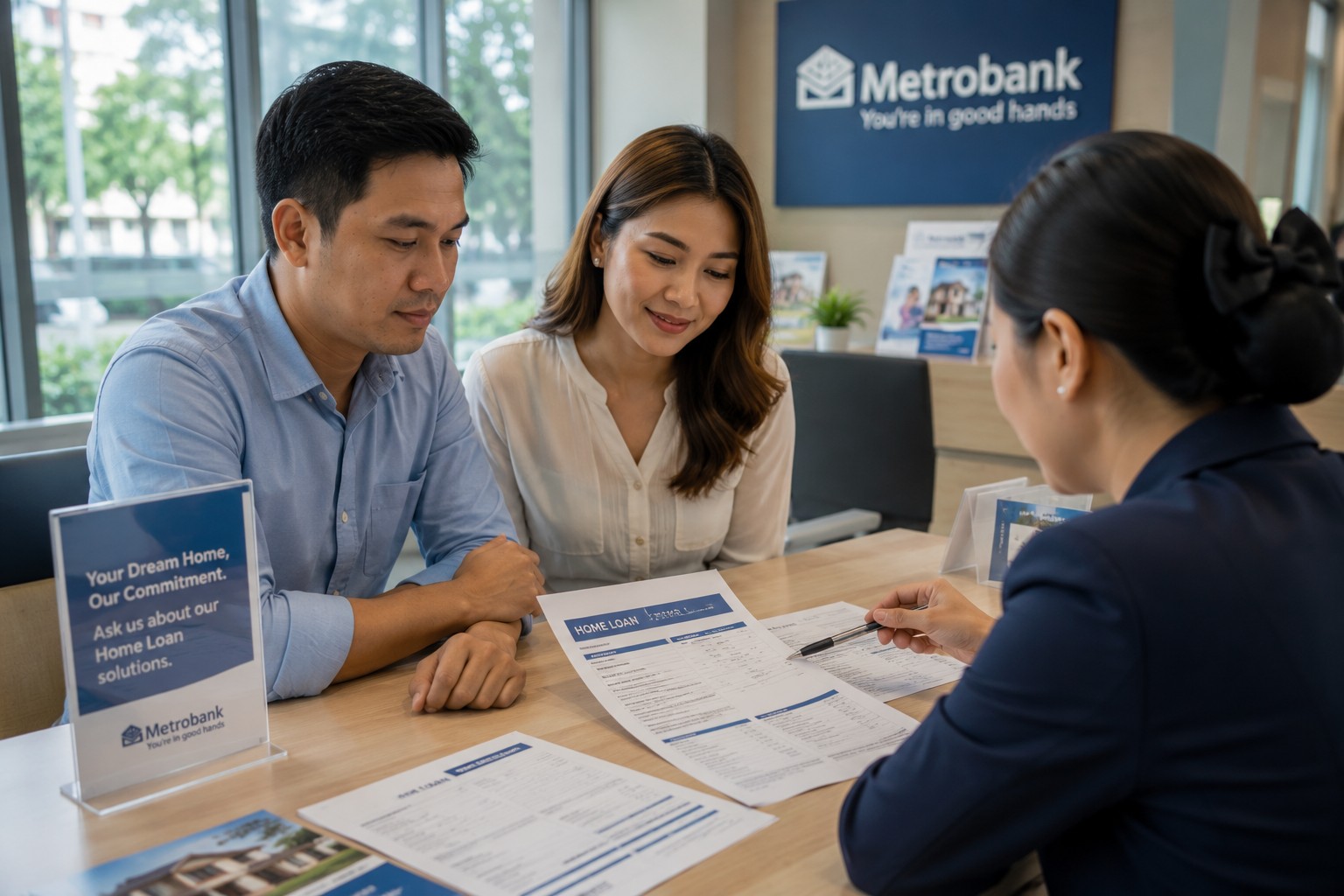
Major commercial banks in the Philippines such as BDO Unibank, BPI (Bank of the Philippine Islands), Metrobank, Security Bank, and Landbank each have their own specific loan products, but their baseline requirements for home construction in Cebu projects and standard home purchases are substantially similar.
Loan-to-Value (LTV) Ratio
Banks typically lend up to 80% of the appraised value of the property. This means you must prepare a down payment of at least 20%. Some banks offer up to 90% LTV for specific residential developments or during promotional periods, but 80% is the standard.
Debt-to-Income (DTI) Ratio
Your total monthly loan obligations, including the new housing loan, should generally not exceed 30% to 40% of your gross monthly income. If you already have a car loan or credit card balances, this calculation affects how much you can borrow.
Interest Rate Structures
Banks in the Philippines typically offer fixed rates for one, two, three, or five years, after which the rate reprices to the prevailing market rate. Comparing total cost of ownership across lenders, not just the headline rate, is critical before signing.
Bank-Specific Add-ons
Most banks will also require:
- Duly accomplished loan application form (specific to the bank)
- Bank statements for the last three to six months
- Appraisal report ordered by the bank (cost charged to the applicant, typically ₱3,000 to ₱7,000)
- Fire and mortgage redemption insurance (MRI) paid annually or included in amortization
If you are building rather than buying, many banks will finance home construction as well. In that case, you may need to provide a bill of quantities, a construction timeline, and a contract with a licensed contractor. Firms like Gas Design & Build, which offer integrated architectural and construction services, can help you compile these documents efficiently because everything, from design to structural plans, is managed under one roof.
Pag-IBIG Fund Housing Loan: A Distinct and Popular Option
The Home Development Mutual Fund, commonly known as Pag-IBIG Fund, is one of the most accessible housing loan programs for salaried employees and OFWs in the Philippines. Because it is government-backed, interest rates are generally lower than commercial bank rates.
Pag-IBIG Eligibility Requirements
- At least 24 months of Pag-IBIG contributions at the time of application (active membership)
- Not more than 65 years old at the time of loan application, and not older than 70 at loan maturity
- No outstanding Pag-IBIG housing loan that is in default
- Legal capacity to acquire and encumber real property
Members who have not completed 24 months can make a lump-sum advance payment of contributions to qualify, which is a practical option for newer members who want to apply sooner.
Pag-IBIG Loan Amounts and Rates
As of 2026, Pag-IBIG offers loan amounts of up to ₱6 million, with interest rates starting at competitive fixed levels for shorter fixing periods. The actual rate depends on the loan amount and the fixing period chosen (1, 3, 5, 10, 15, 20, or 25 years). Borrowers can also use their Pag-IBIG savings (TAV, or Total Accumulated Value) to supplement the down payment.
Key Pag-IBIG Documents
In addition to the standard documents listed above, Pag-IBIG typically requires:
- Accomplished Pag-IBIG Housing Loan Application form
- Pag-IBIG Member's Data Form
- Proof of Pag-IBIG membership and contribution records
- HQP-HLF forms specific to the type of transaction (purchase, construction, renovation, etc.)
In-House Developer Financing: A Simpler but Costlier Path
In-house financing means borrowing directly from the real estate developer rather than from a bank or Pag-IBIG. It is popular because approval is faster and documentary requirements are lighter, often just proof of income, valid IDs, and a reservation agreement.
The trade-off is the cost. In-house financing typically carries interest rates that are notably higher than bank or Pag-IBIG loans, sometimes significantly so depending on the developer. Loan terms are also shorter, usually five to ten years, which pushes monthly amortization higher.
For buyers who cannot qualify for bank financing due to informal income or a limited credit history, in-house financing may be the only accessible option in the short term. However, refinancing to a bank or Pag-IBIG loan after a year or two of payment history is a strategy worth considering once your financial profile strengthens.
Building a Custom Home: Financing Considerations for Construction Loans
If you own a lot and want to build rather than buy a ready-made property, construction loans work differently from standard home purchase loans. Banks release funds in tranches aligned with construction milestones, and they require a detailed set of documents that your builder must provide.
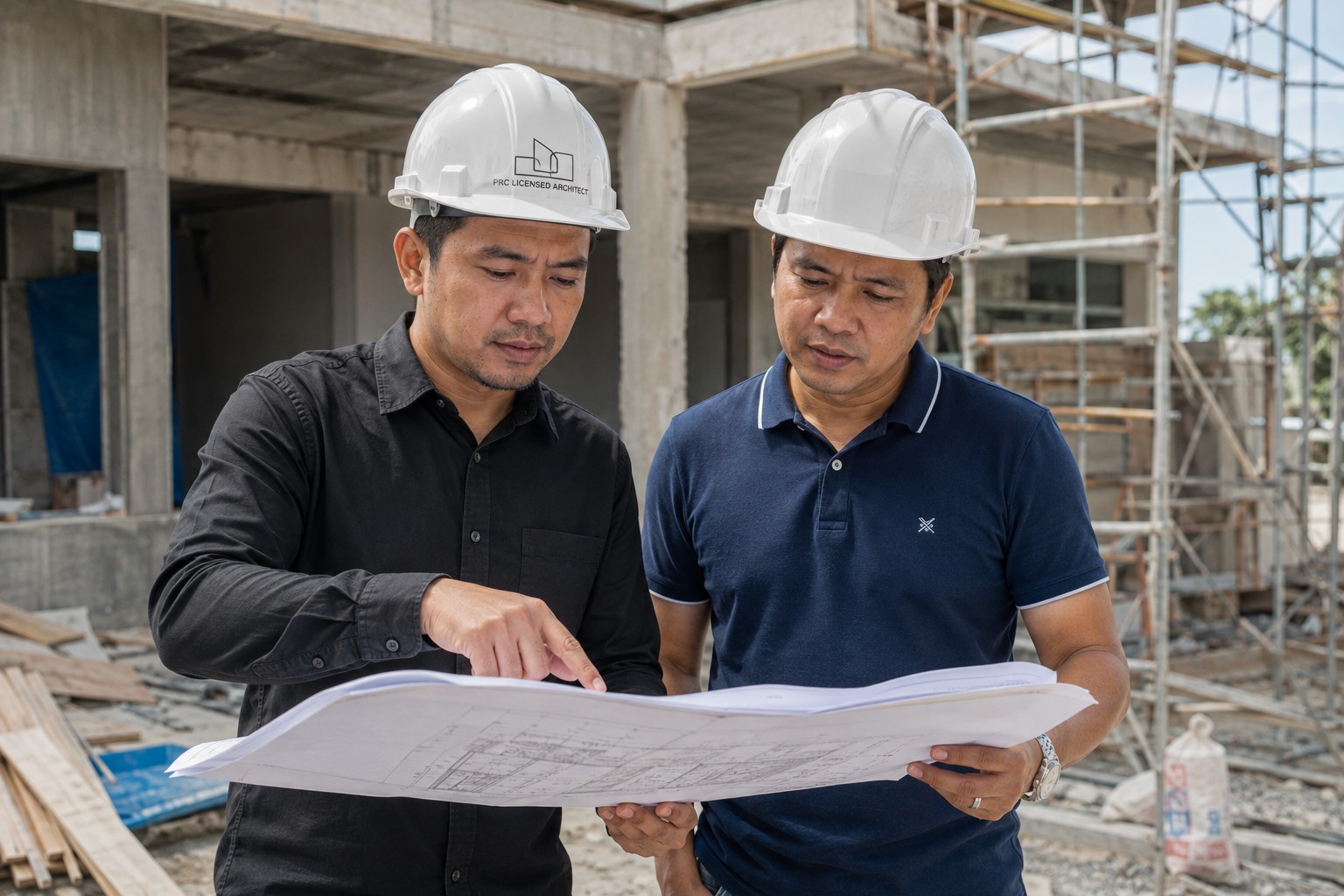
This is where working with a firm that has a strong track record becomes practically valuable. Gas Design & Build, based in Cebu, has over a decade of experience in home construction in Cebu projects, and their integrated design-and-build approach means you get the building permit, structural plans, and bill of quantities as a coordinated package, exactly what banks need to release construction financing.
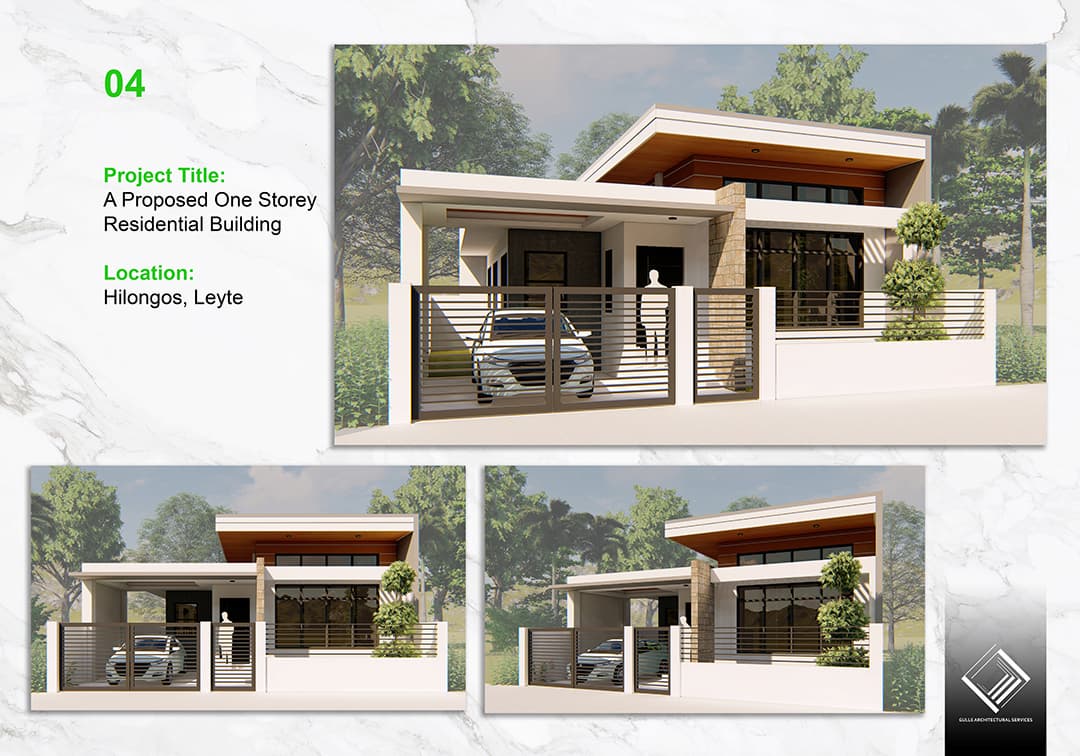
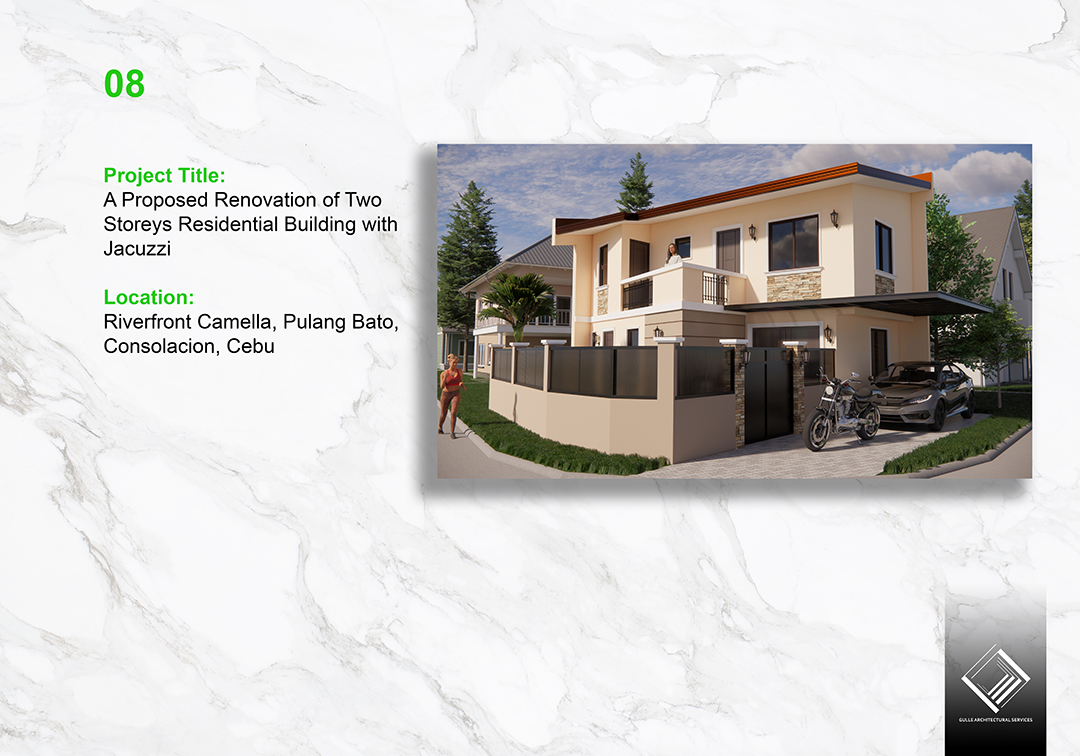
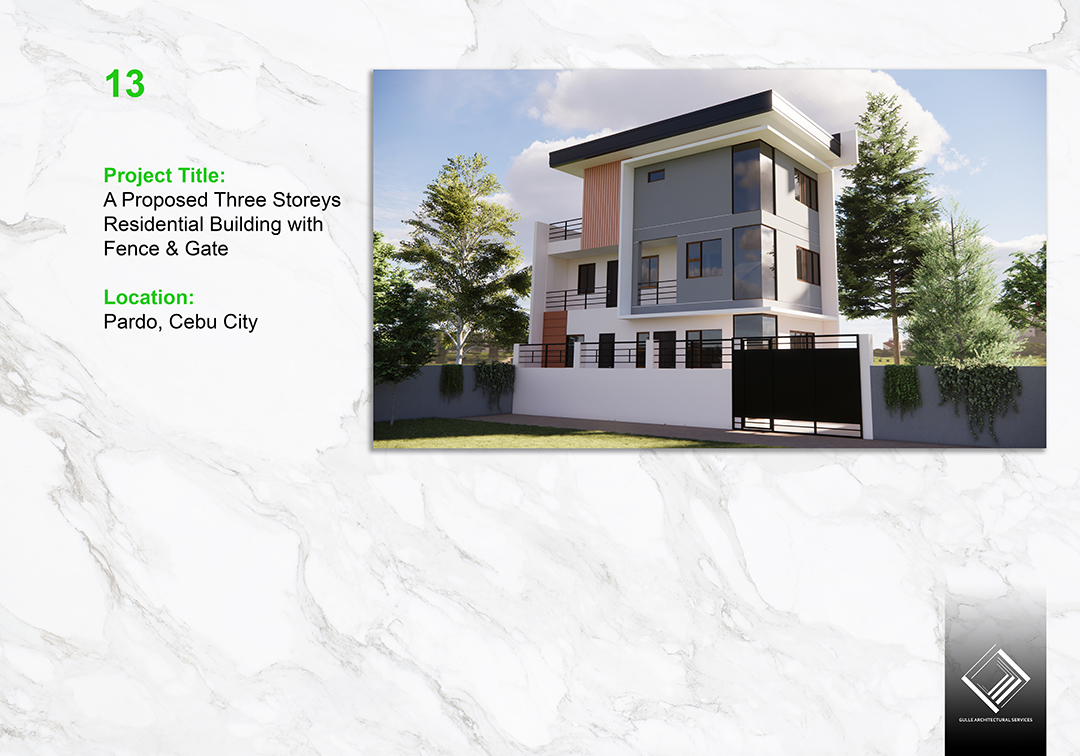
Their use of 3d architectural visualization also helps clients present lenders with clear, professional project representations, which can support the appraisal and documentation process. You can review their completed projects in their portfolio to get a sense of scale and finish quality before committing to a construction loan.
Their about page details the firm's background, licensing credentials, and design philosophy, all of which matter when banks ask about contractor qualifications during the construction loan process.
Common Reasons Applications Get Rejected and How to Avoid Them
Understanding why lenders decline applications is just as important as knowing what to submit. The most frequent rejection triggers include:
Incomplete documentation: Missing one form can stall the entire process. Use the lender's official checklist and tick each item off before submission.
DTI ratio too high: Pay down existing credit card balances or close unused credit lines before applying to improve your borrowing capacity.
Inconsistent income declaration: Your payslips, ITR, and bank deposits should tell a consistent story. Unexplained gaps or discrepancies raise red flags.
Title defects or encumbrances: Run a title verification at the Registry of Deeds before signing anything. Liens, adverse claims, or unresolved ownership issues can kill a loan application even after conditional approval.
Property outside the lender's coverage area: Some banks limit housing loans to properties in urban or semi-urban areas with accessible utilities and road access.
Preparing your documents systematically, being honest on your application, and choosing a property with a clean title go a long way toward a successful outcome.
The Housing Loan Requirements in the Philippines differ slightly across channels, but the underlying logic is consistent: lenders want to see stable income, a creditworthy borrower, and a property worth the loan amount. Knowing this framework lets you approach the process with confidence rather than uncertainty.
Things to Know
- Your loan term affects your total interest paid significantly. A 20-year loan at a fixed rate will cost you far more in total interest than a 10-year loan, even if the monthly amortization is lower. Run the full amortization schedule before deciding.
- Pag-IBIG contributions must be active, not just accumulated. Some applicants assume that old contributions count toward eligibility. Pag-IBIG checks that your membership is current and that you have at least 24 qualifying monthly contributions, not contributions made years ago with a lapse in between.
- Banks appraise the property independently, and their valuation may be lower than the selling price. If the bank appraises your chosen property at ₱3.5 million but the seller is asking ₱4 million, the bank will only lend against ₱3.5 million. You must cover the gap in cash.
- Co-borrowers can increase your loan eligibility. If your individual income does not meet the required debt-to-income ratio, adding a spouse or a qualified family member as a co-borrower pools your income and can unlock a higher loan amount.
- Building permits and clearances are part of the property documents. For construction loans in particular, lenders will ask for a barangay clearance, locational clearance, and a Building Permit from the local government unit (LGU). These take time to secure, so start early.
- Title verification at the Registry of Deeds is non-negotiable. A developer's clean marketing materials do not guarantee a clean title. Request a certified true copy of the title directly from the Registry of Deeds in the property's location before you sign any agreement or pay any reservation fee.
Frequently Asked Questions
Q: What are the minimum requirements for a home loan?
The minimum requirements for a home loan in the Philippines include proof of Filipino citizenship, a minimum age of 21 years old, verifiable and stable income, and a property with a clean and transferable title.
Most lenders also require at least one to two years of continuous employment or business operation before they consider your income stable enough to service a long-term loan. Beyond personal eligibility, you will need valid government-issued IDs, your most recent Income Tax Return, and the core property documents such as the Transfer Certificate of Title and tax declaration. Meeting the minimum does not guarantee approval; lenders weigh the combination of your credit profile, income, and the appraised value of the property together.
Q: Which bank in the Philippines is best for housing loans?
There is no single best bank for housing loans in the Philippines because the right lender depends on your income level, loan amount, preferred fixing period, and the property's location.
BDO Unibank, BPI, Metrobank, Security Bank, and Landbank of the Philippines are among the most commonly used institutions for housing loans, and each offers distinct advantages. BPI and Security Bank are often noted for competitive interest rates on shorter fixing periods, while Landbank tends to be accessible for borrowers in provincial areas and agricultural communities. Your best approach is to get a loan computation from at least three lenders and compare the effective interest rate, fees, and loanable amount before deciding. A licensed real estate broker or bank mortgage officer can assist you with a side-by-side comparison at no cost.
Q: What are the requirements for in-house financing in the Philippines?
In-house financing in the Philippines typically requires a valid government-issued ID, proof of income, a duly accomplished application form provided by the developer, and a signed reservation agreement.
Because the developer acts as the lender, the documentary requirements are lighter and the approval process is faster compared to bank or Pag-IBIG financing. Most developers do not require a formal credit check or an ITR from informal earners, which makes this option accessible to buyers with non-traditional income sources. However, you should carefully review the interest rate stated in the contract, the penalty clauses for missed payments, and whether the title transfer process is clearly defined before committing.
Q: What are the requirements to avail a housing loan in Pag-IBIG?
To avail of a Pag-IBIG housing loan, you must have at least 24 monthly Pag-IBIG contributions, be not more than 65 years old at the time of application, and have no outstanding Pag-IBIG housing loan in default.
Beyond membership eligibility, you will need to submit a completed Pag-IBIG Housing Loan Application form, proof of income based on your employment type, PSA-issued identification documents, and the complete set of property documents including the title, tax declaration, and lot plan certified by a geodetic engineer. OFW members can apply through an authorized representative using a Special Power of Attorney (SPA) authenticated by the Philippine Consulate or apostilled according to the country's requirements. Pag-IBIG also allows members to use their Total Accumulated Value (TAV) as part of the equity or down payment.
Q: Bank financing requirements for housing loan
Bank financing for a housing loan in the Philippines requires proof of income, valid IDs, an accomplished loan application form, the property's title documents, and a bank-ordered appraisal of the collateral property.
Banks typically finance up to 80% of the appraised value of the property, meaning you need a minimum 20% down payment ready before application. Employed borrowers must submit payslips, a Certificate of Employment, and BIR Form 2316, while self-employed applicants need audited financial statements and ITRs for the past two to three years. Construction loan applicants must also provide a bill of quantities, a construction timeline, and a signed contract with a licensed contractor. Banks release construction funds in tranches tied to verified completion of each building phase, so working with an established, licensed firm matters as much as having the right paperwork.
The Bottom Line on Housing Loan Requirements in the Philippines
Navigating the Housing Loan Requirements in the Philippines is more manageable when you treat it as a process rather than a single event. Start by checking your eligibility, gathering your income documents, and verifying the property title well before you submit your application. Each step you complete in advance removes a potential delay later.