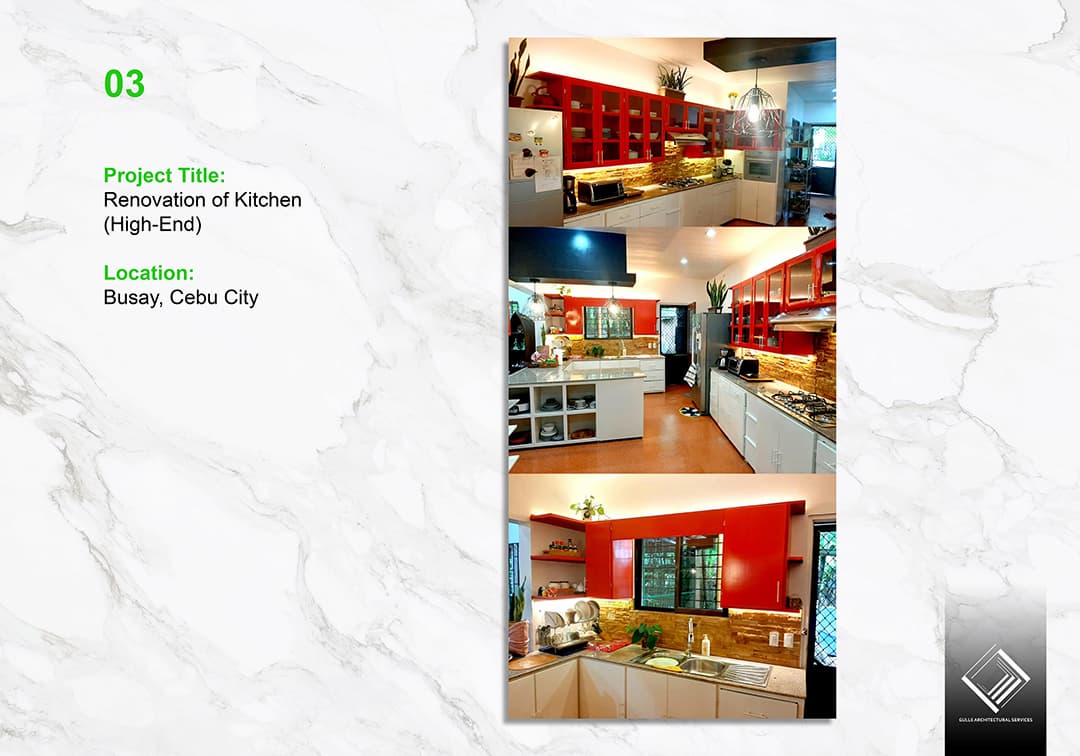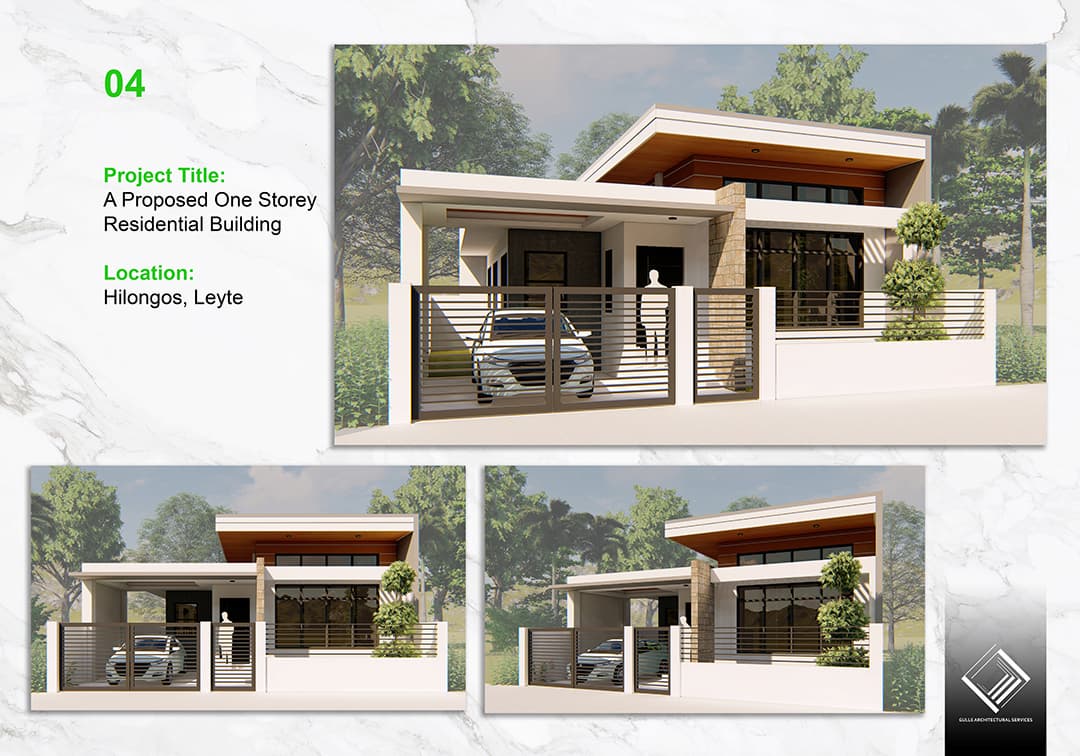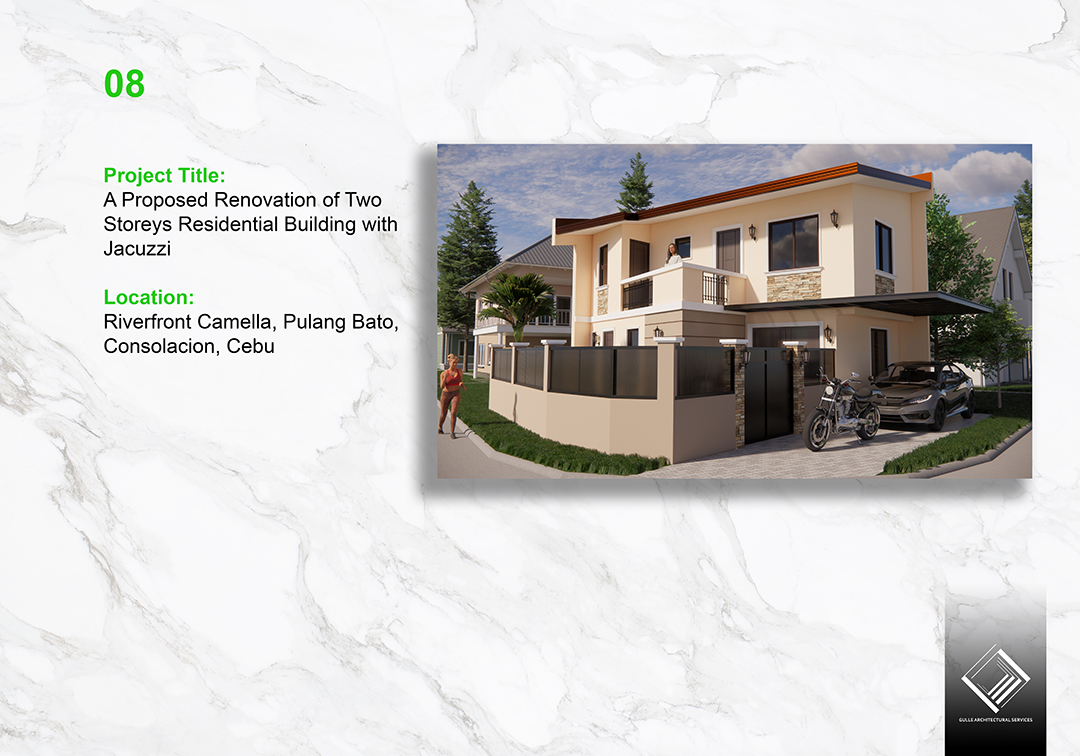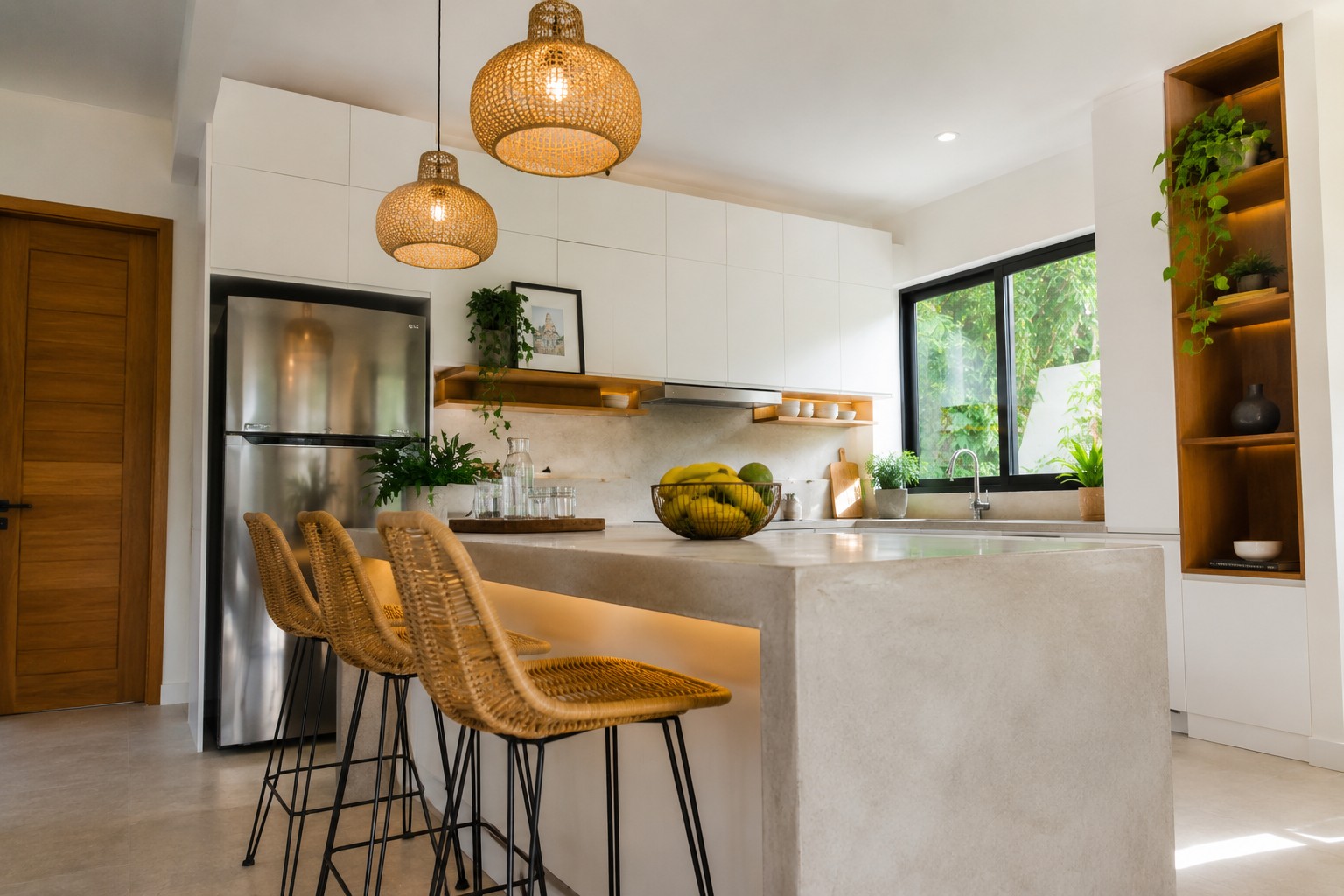
Renovating your home in Cebu is one of the most rewarding investments you can make, provided you go in with a clear plan and realistic expectations. Whether you are updating a dated kitchen, adding a second floor, or completely reimagining your living space, understanding the process from permits to final paint coat will save you time, money, and stress.
What Gas Design & Build Brings to Cebu Homeowners
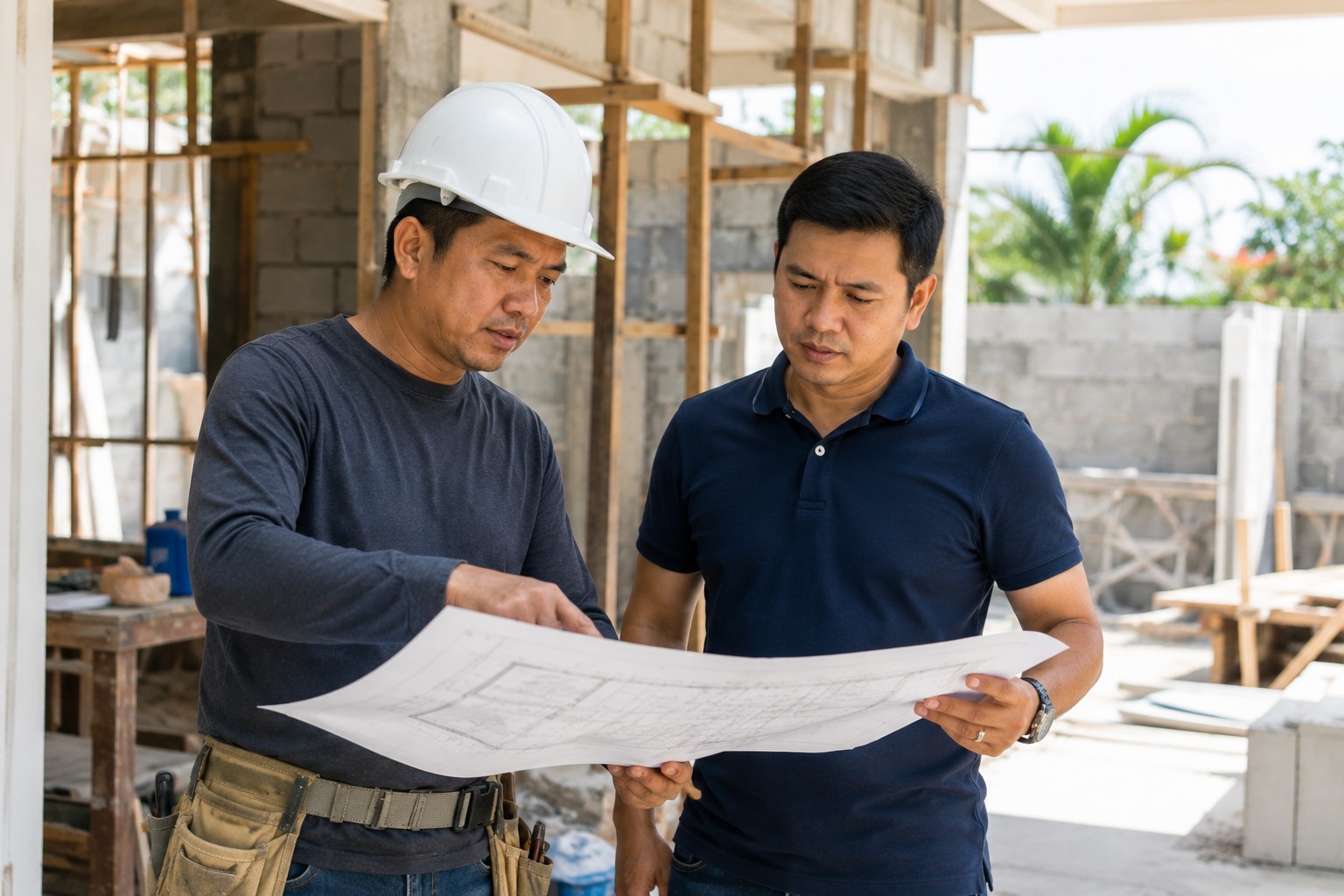
Gas Design & Build is a premier architecture firm and licensed construction company based in Cebu with about a decade of experience transforming ideas into beautifully crafted spaces, blending contemporary tropical minimalism with earthquake-resistant engineering. Their integrated design-and-build model means a single accountable team handles every stage: architectural design, structural engineering, permits, 3D visualization, and actual construction. This eliminates the communication gaps that so often derail renovation projects when separate architects, engineers, and contractors work in silos.
If you want to see how this model works in practice, take a look at the firm's portfolio for a selection of completed residential and commercial projects across Cebu.
The design-and-build approach matters especially in the Philippines, where coordination breakdowns between separate design and construction teams are among the most cited reasons renovation timelines blow past their original estimates. Having one accountable team means your floor plan does not get lost in translation between the architect's drawing and the contractor's hammer.
The Renovation Services Available to You in Cebu
Before committing to a contractor, it helps to know the full spectrum of work that falls under renovation. In Cebu, residential renovation typically covers:
- Structural modifications: Removing or adding walls, reinforcing slabs, and extending existing footprints
- Interior fit-out: Flooring, ceiling treatments, built-in joinery, and finishing work
- Modular cabinetry: Custom kitchen cabinets, wardrobe systems, and bathroom vanities built to your space
- Facade upgrades: Repainting, re-cladding, or adding covered lanais to improve curb appeal and ventilation
- Electrical and plumbing upgrades: Bringing old wiring and pipework up to current standards
Gas Design & Build covers all of these categories, and you can review the full scope of what they offer on their services page. Their team also provides 3d architectural visualization before any physical work begins, which is particularly useful when you need to communicate a complex design idea or get buy-in from a spouse or co-owner before breaking ground.
How a Renovation Project Actually Flows: The Phases
One of the biggest gaps in most contractor websites is a complete silence on process. Here is what a well-managed home renovation Cebu project looks like from start to finish.
Phase 1: Site Assessment and Design Brief
Your contractor or architect visits the property to assess the existing structure, take measurements, and document current conditions. You share your goals, priorities, and budget range. This is also where Cebu-specific factors get discussed: the orientation of the house relative to prevailing winds from the Visayan Sea, typhoon exposure, soil conditions (especially in hillside Cebu areas like Busay or Talamban), and seismic considerations.
Phase 2: Schematic Design and 3D Visualization
The design team produces a schematic layout for your approval. With Gas Design & Build, this phase includes full three-dimensional renders so you can see finishes, furniture placement, and natural light conditions before any budget is committed to materials. Revisions are made at this stage because changes to paper are far cheaper than changes to concrete.
Phase 3: Permits and Regulatory Approvals
Depending on the scope of work, you may need a building permit from the Cebu City Office of the Building Official (OBO) or the OBO of your municipality, and working with a licensed firm that handles this internally through their home renovation in Cebu service, as Gas Design & Build does, reduces the back-and-forth significantly. Structural renovations, additions, and changes to load-bearing elements almost always require permits. The processing time varies, but this integrated approach significantly streamlines the approval process.
Phase 4: Material Sourcing and Procurement
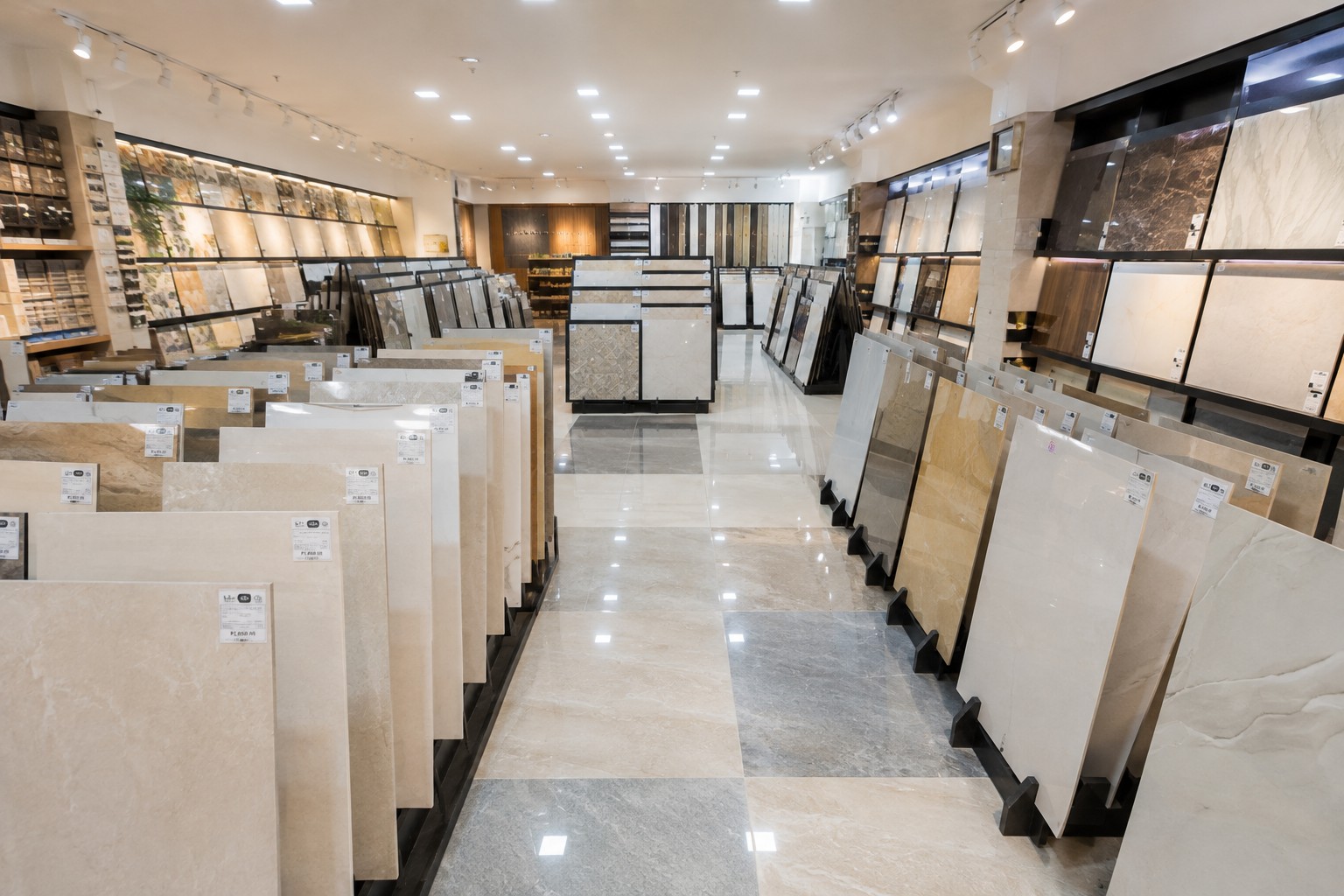
Once permits are in hand, materials are ordered and staging areas are prepared. This phase benefits from local sourcing knowledge. In Cebu, major building supply corridors include the Mandaue City hardware strip along A.C. Cortes Avenue and the commercial zone along M.C. Briones Street in Mandaue, where you can find tiles, fixtures, cement, steel, and lumber. Prices fluctuate with supply chain conditions, so your contractor should provide a materials schedule with line-item pricing and allowances built in.
Phase 5: Construction and Site Management
This is the longest phase. A competent site manager conducts daily monitoring, coordinates trades (masons, plumbers, electricians, carpenters), and maintains a site logbook. You should receive regular progress updates, ideally with photos. Quality checkpoints at each milestone, such as before ceiling boards go up or before tiles are grouted, prevent defects from being buried inside walls.
Phase 6: Snagging, Testing, and Handover
Before you sign off, a snagging inspection identifies unfinished items, defects, and misalignments. Electrical and plumbing systems are tested. Final cleaning is done. A good contractor provides a defects liability period, typically six to twelve months, during which reported issues are fixed without additional charge.
Cebu-Specific Challenges That Affect Renovation Decisions
Cebu's climate and geography create conditions that mainland-focused renovation advice does not always address.
- Typhoon resilience: Cebu sits within the Philippine typhoon belt, though it is partially sheltered by Leyte and the Eastern Visayas. Still, roofing systems, window frames, and water drainage must be engineered for high wind events. Metal roofing with proper fastener spacing and concealed fixings is increasingly preferred over older corrugated sheets.
- Seismic design: The Central Visayas region is seismically active. The 2013 Bohol earthquake, which damaged structures across Cebu province, remains a reference point for why earthquake-resistant engineering is non-negotiable rather than optional. Firms like Gas Design & Build integrate seismic load calculations into their structural designs as standard practice.
- Humidity and mold resistance: Cebu's coastal humidity accelerates moisture ingress in poorly sealed walls and roof junctions. Material selection matters: cement board outperforms plain plywood behind tile work, and moisture-resistant gypsum board is preferred for bathroom ceilings over standard variants.
- Urban density: In barangays like Lahug, Mabolo, and parts of Labangon, tight lot boundaries mean renovation staging areas are limited. Material deliveries need careful scheduling to avoid blocking streets or neighboring access.
Cost Expectations: What Drives the Budget Up or Down
Renovation costs in Cebu vary enormously based on scope, materials, and finishes. Rather than cite a single price-per-square-meter figure that can mislead, it is more useful to understand which cost drivers carry the most weight.
| Cost Driver | Lower-Cost Approach | Higher-Cost Approach |
|---|---|---|
| Structural work | No load-bearing changes | Column additions, slab extension |
| Flooring | Standard ceramic tiles | Large-format porcelain or hardwood |
| Cabinetry | Melamine board, standard hardware | Solid wood, soft-close systems |
| Bathroom fixtures | Local brand fittings | Imported European or Japanese brands |
| Electrical | Basic rewiring | Full smart home integration |
| Project management | Freelance contractor | Licensed design-and-build firm |
The most expensive single element in most renovations is structural work, particularly anything involving the roof, slabs, or columns. After that, kitchens and bathrooms consistently drive the highest per-square-meter costs because of the concentration of plumbing, tiling, cabinetry, and appliance rough-ins in a small area.
Choosing the Right Renovation Contractor in Cebu
The contractor you pick will determine more about your renovation outcome than any other single decision. Here is what to assess before signing anything:
- PCAB license: The Philippine Contractors Accreditation Board licenses construction firms. Verify that your contractor holds a valid license and that its category covers your project type.
- In-house vs. sub-contracted trades: Ask directly whether electricians, plumbers, and masons are employees of the firm or hired subcontractors. In-house teams typically produce more consistent workmanship.
- Track record in Cebu specifically: A contractor experienced with Cebu's local building officials, local material suppliers, and Cebu-specific climate conditions will navigate the project more smoothly than a generalist.
- Design integration: If your contractor cannot produce permit-ready drawings in-house, you will need a separate architect, which adds time, cost, and coordination risk.
If you want to understand the philosophy behind how Gas Design & Build approaches projects, the about page outlines their decade-plus history and integrated methodology in detail.
Where to Source Materials Without Overpaying
Cebu has a strong local supply chain for construction materials. Some reliable sourcing areas include:
- Mandaue City hardware district: The stretch along A.C. Cortes Avenue and Gov. M. Cuenco Avenue has dozens of suppliers for steel, cement, CHB (concrete hollow blocks), and lumber.
- Gaisano Grand and Robinsons Galleria HomeExpo: For fixtures, tiles, and home finishing products at retail pricing.
- Tabunok and Talisay area: Growing cluster of tile showrooms and sanitary ware distributors offering competitive pricing for bathroom and kitchen finishes.
- Direct-from-factory modular cabinetry suppliers in the Mactan Economic Zone corridor for fitted furniture at manufacturer pricing.
Your contractor should be able to negotiate trade pricing on your behalf, which is one of the financial advantages of working with an established local firm rather than managing procurement yourself.
The Project Timeline: What Is Realistic?
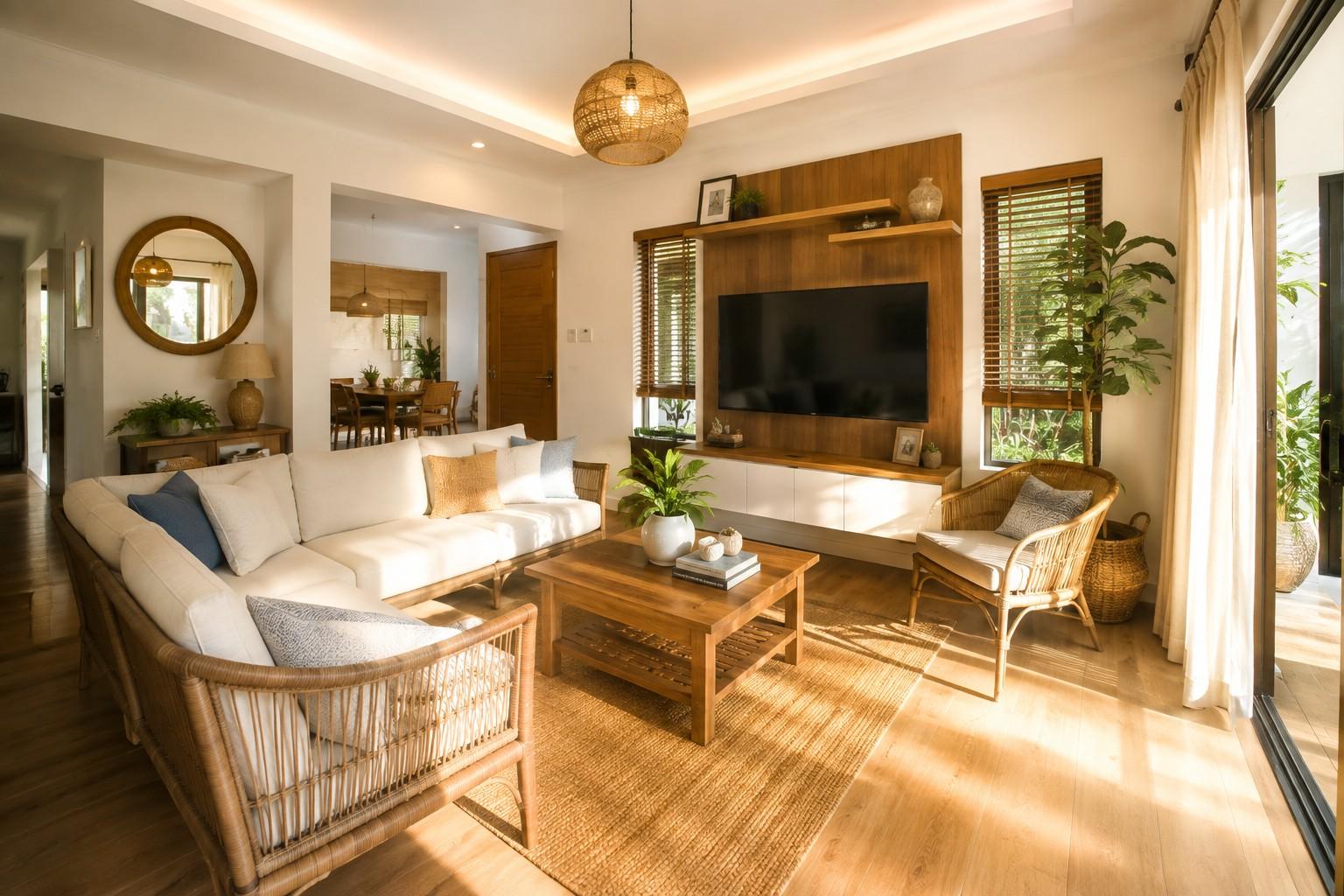
Homeowners frequently underestimate how long a renovation takes. Here is a rough timeline guide for common Cebu renovation scopes, assuming permits are processed and materials are available:
| Renovation Scope | Estimated Duration |
|---|---|
| Single bathroom upgrade | 3 to 5 weeks |
| Full kitchen remodel | 6 to 10 weeks |
| Single-floor interior renovation | 2 to 4 months |
| Second-floor addition | 4 to 6 months |
| Whole-house renovation | 6 to 12 months |
These ranges assume active project management, no major material shortages, and prompt decision-making from the homeowner. Delays in owner decisions, such as late tile selection or last-minute layout changes, are one of the most common causes of timeline overruns.
Things to Know
- Building permits are required for most structural renovations in Cebu, including wall removals, additions, and roofing changes. Skipping this step can result in stop-work orders from the local Office of the Building Official and fines that far exceed the cost of the permit itself.
- The dry season between November and May is the preferred window for major renovation work in Cebu. Starting structural or roofing work during the June-to-October wet season increases the risk of water damage to exposed materials and freshly poured concrete.
- Verbal agreements with contractors carry no legal weight in the Philippines. Always insist on a written contract that specifies scope of work, payment schedule, timeline milestones, and a defects liability clause before any work begins.
- Material costs in Cebu can shift significantly based on supply chain conditions and the peso-dollar exchange rate, particularly for imported fixtures and fittings. Build a contingency buffer of at least 10 to 15 percent into your renovation budget to absorb price movements.
- Homeowners in subdivisions in Cebu, such as those in Maria Luisa Estate Park or Pristina North, are often subject to a homeowners association review in addition to the standard government permitting process. Check your deed of restrictions before finalizing your design.
- Seismic retrofitting is not an extra on a well-managed renovation project in Cebu. Given the seismic activity recorded across Central Visayas, any structural work should include a review of your existing foundation and column ties by a licensed structural engineer.
Frequently Asked Questions
Q: Do I need a building permit for a renovation in Cebu?
Yes, most renovation work that involves structural changes, additions, or modifications to electrical and plumbing systems requires a building permit from the Office of the Building Official.
Purely cosmetic work, such as repainting walls or replacing flooring without altering the structure, generally does not require a permit. However, if your project involves demolishing or constructing walls, adding a room, modifying the roof, or relocating plumbing fixtures, you are required by the National Building Code of the Philippines (Presidential Decree 1096) to secure a permit before commencing work. Proceeding without one risks a stop-work order, a fine, and complications when you eventually try to sell or title the property.
Q: What documents do I need to get a permit in Cebu City?
You will typically need a notarized application form, proof of property ownership, tax declaration, and a complete set of architectural, structural, electrical, and sanitary plans signed by licensed professionals.
Specifically, the Cebu City Office of the Building Official requires the lot plan, vicinity map, bill of materials with cost estimates, and the signed and sealed plans from a licensed architect and engineers covering structural, electrical, mechanical, and sanitary disciplines. If the property is owned by a corporation or multiple parties, additional documents such as a board resolution or special power of attorney may be required. Working with a design-and-build firm that handles permitting in-house significantly reduces the risk of submitting an incomplete set, which would reset your processing timeline.
Q: How do I choose a renovation contractor?
Verify their PCAB license, check completed projects in Cebu specifically, confirm whether their trades are in-house or subcontracted, and ensure they can produce permit-ready drawings without requiring you to hire a separate architect.
Beyond credentials, pay close attention to how a contractor communicates during the early inquiry stage. A contractor who is slow to respond, vague about costs, or reluctant to provide a written contract at the proposal stage will not improve once your money is on the table. Ask for references from recent Cebu clients and, where possible, visit a completed project in person to assess finish quality. The contractor's familiarity with local suppliers, local building officials, and Cebu-specific construction challenges such as typhoon resilience and humidity management is a practical advantage that no amount of general experience can replace.
Q: Where can I buy home renovation materials in Cebu?
The Mandaue City hardware district along A.C. Cortes Avenue is the most comprehensive sourcing hub for structural and finishing materials, while tile showrooms in Talisay and fixture retailers in Cebu City offer strong retail options.
For bulk structural materials, including steel bars, cement, and concrete hollow blocks, the Mandaue hardware strip offers competitive trade pricing. For interior finishes, tiles, and sanitary ware, the growing cluster of showrooms along the Talisay corridor and the HomeExpo sections inside Robinsons Galleria and Gaisano Grand in Cebu City cover most homeowner needs. If you are working with a licensed contractor, they can often access trade or contractor pricing that is lower than retail rates, which partially offsets professional fees. For fitted cabinetry, suppliers operating near the Mactan Economic Zone frequently offer factory-direct pricing on modular systems.
Q: What is the most expensive part of a house renovation?
Structural work, including slab extensions, column reinforcement, and roofing system replacement, consistently represents the highest cost per square meter in any renovation scope.
After structural elements, kitchens and bathrooms are the next most expensive areas because they concentrate multiple high-cost trades, including plumbing, tiling, cabinetry, waterproofing, and electrical rough-ins, into a small footprint. A full kitchen remodel with custom cabinetry, quality appliances, and stone countertops can consume a disproportionately large share of a renovation budget relative to its floor area. The practical implication is that if you are working within a tight budget, prioritizing structural integrity and essential systems first, then phasing cosmetic and kitchen upgrades later, is a more financially sound approach than trying to do everything at once.
The Bottom Line on Home Renovation Cebu
A successful home renovation Cebu project comes down to three things: a clear design brief, a trustworthy contractor with verified credentials, and a realistic budget that accounts for permits, materials, labor, and contingencies. Skipping any of these foundations is where renovations derail, going over budget, past deadline, and below the finish quality the homeowner originally imagined.
Gas Design & Build brings together architectural design, structural engineering, 3D visualization, permit processing, and construction under one accountable team, which is the most reliable way to protect your investment from the first sketch to the final handover. If you are ready to start planning your renovation, reach out to Gas Design & Build to schedule a site assessment and design consultation.